About All Tours Lake Bled ToursFrom Ljubljana ToursFrom Bled ToursCanyoning Tours Directions Hours & Fees Guides
Find Tours 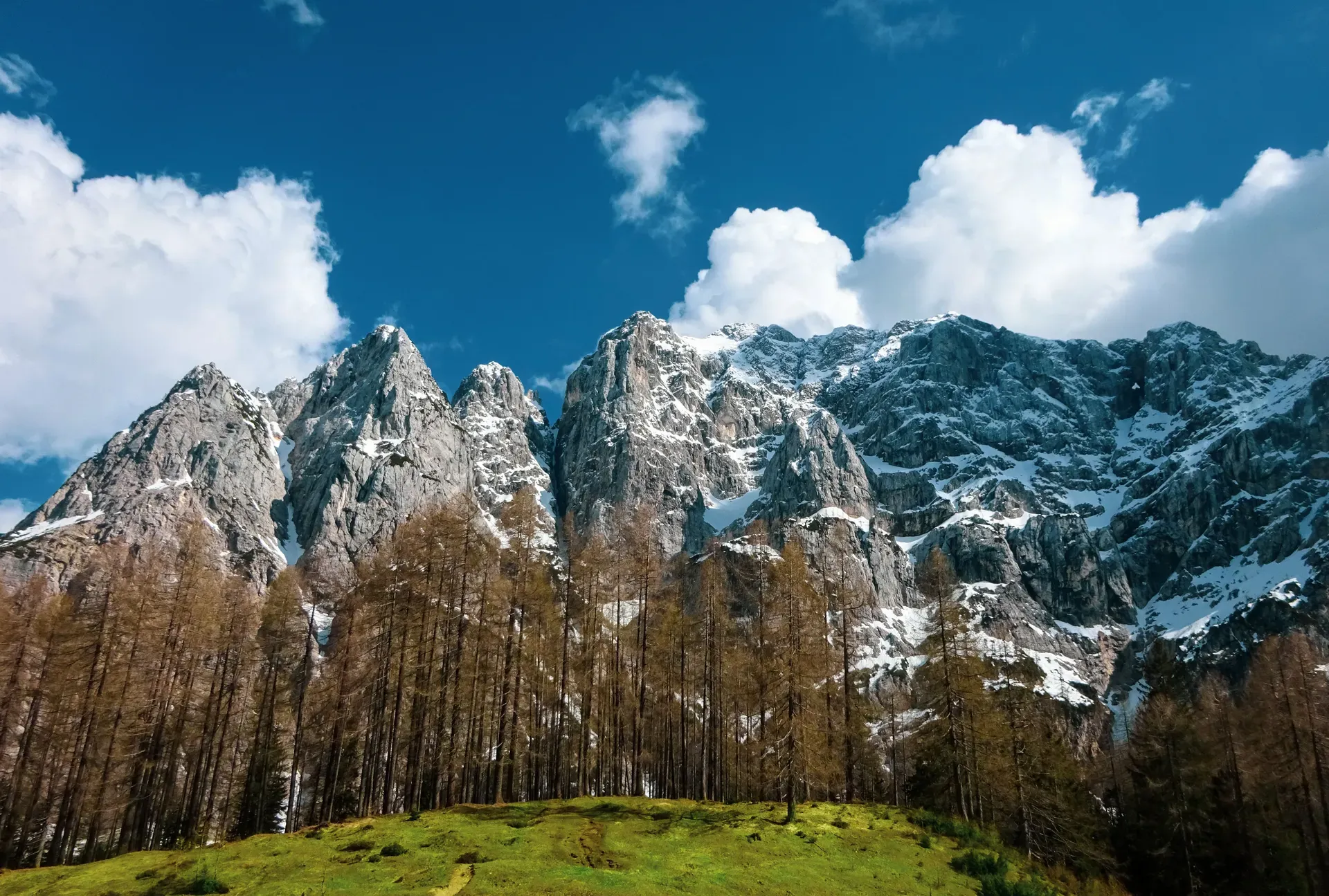
Slovenia's only national park covers 840 km² of the Julian Alps on the Italian border, running from 180-metre river gorges to the 2,864-metre summit of Mount Triglav. It's free to enter, open around the clock, and home to just 2,337 people.
Slovenia has exactly one national park, and this is it: 840 km² of the Julian Alps in the country's north-west corner, pressed against the Italian border and a short drive from Austria. Mount Triglav, at 2,864 m, is the country's highest peak and gives the park its name. Elevations run from 180 m at the Tolmin Gorges all the way to the summit, so you can walk a river gorge in the morning and stand on a glacier-carved plateau the same afternoon. Lake Bohinj sits near the centre; the emerald Soča drains the sunny south-west side; the karst uplands of Pokljuka and Komna fill the space between.
Getting in costs nothing. The park is open-access public land, open around the clock year-round, and you pay only at individual attractions. Vintgar Gorge charges €15, Savica Waterfall €4, the Vogel cable car roughly €30 return. The Great Soča Gorge, the Soča Trail, the Mostnica valley walk and every metre of Lake Bohinj shoreline are free.
About 2,337 people live inside the boundary, in 33 settlements spread across eight municipalities, so protection is zoned: 31,488 ha of strict rules in the high mountains, 20,082 ha of looser ones in the settled valleys. Late June to mid-September is the core season, when huts are open and snow has cleared the high trails; June and September get you the same scenery with thinner crowds and lower prices. First visit? Base at Bohinj for lakes and summits, or Bovec if the Soča is the draw. Skip November: fog, mud, short days, and Vintgar is shut.
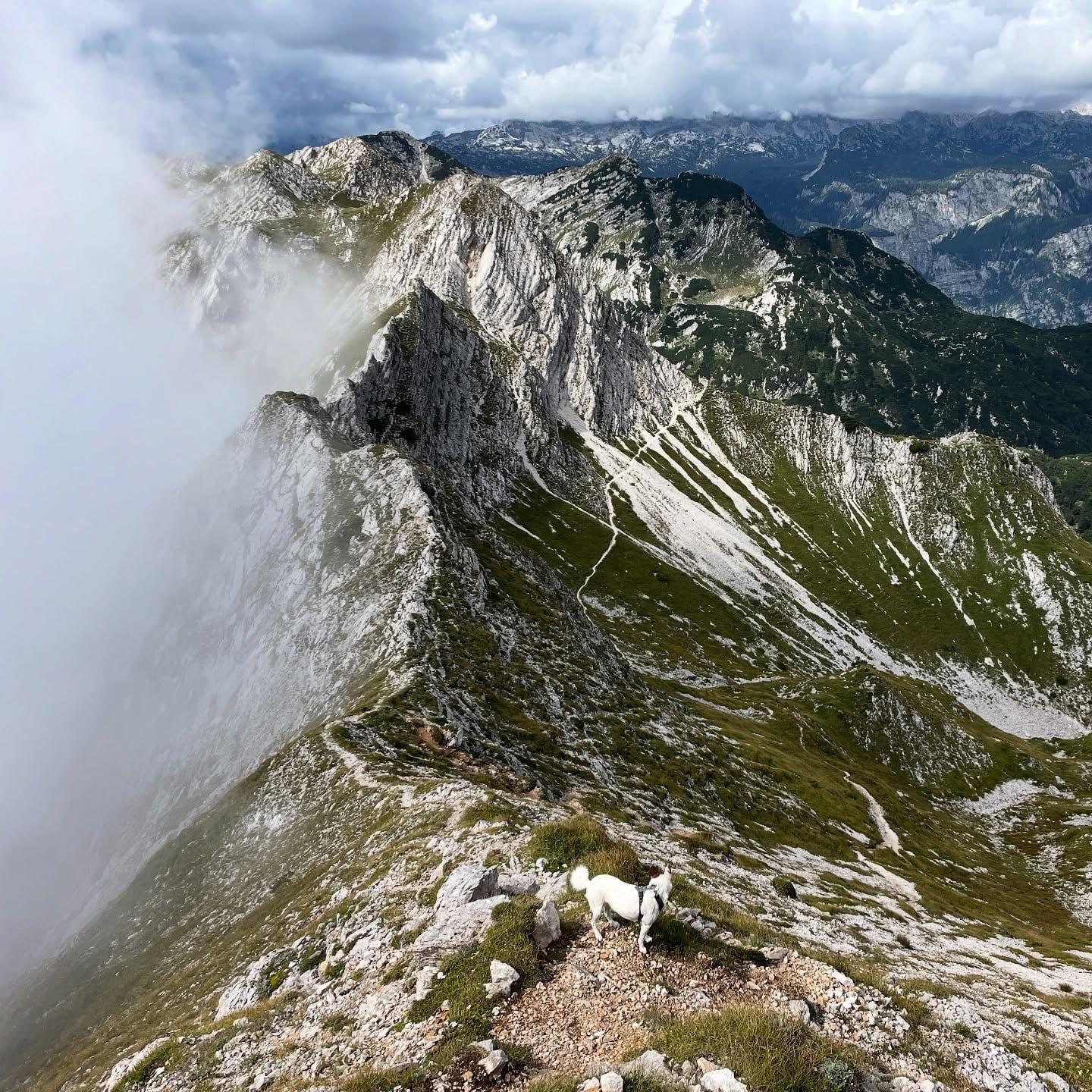
Credit starts with Dr. Albin Belar, a scientist who in 1908 proposed a conservation park above Komarča, the cliff wall at the eastern end of Lake Bohinj. His proposal then sat for 16 years. In 1924 an "Alpine Conservation Park" was finally declared over 1,600 ha of the Triglav Lakes Valley, one of the earliest protected areas in Europe, though it covered less than 2% of today's park. That valley, a chain of glacial lakes below the summit, is still treated as the park's birthplace. You can reach it on foot from Savica in four to five hours up the steep Komarča trail, or more gently across the Komna plateau.
A 1961 decree upgraded the reserve to a national park of 2,000 ha, still confined to the lakes valley. The real break came with the Triglav National Park Act of 1981, which drew today's boundaries across the Eastern Julian Alps and introduced the three-zone system of protection. One more enlargement followed in 2010, when Kneške ravne and its surroundings were added. Total area: 83,982 ha, roughly 50 times the 1924 original. Nothing has changed on the map since.
The park's managers then set about building international standing. The public institute joined the Europarc Federation in 1986 and co-founded ALPARC, the network of Alpine protected areas, in 1995. In 2003 the park anchored the newly designated UNESCO Julian Alps Biosphere Reserve, and nearly all of its territory now falls inside Natura 2000. The Council of Europe awarded its Diploma in 2004 and renewed it in 2019, valid until 5 May 2029. December 2016 brought the European Charter for Sustainable Tourism.
Day to day, the Triglav National Park Public Institute runs everything: permits, the current-conditions page on tnp.si worth checking each morning of your visit, and the 134 quiet zones where capercaillie, rock ptarmigan and chamois are left undisturbed. A century after Belar's memo, his 1,600 ha has become 4% of Slovenia.
Everything here is limestone, and water has had its way with it. The park overlaps almost completely with the Eastern Julian Alps, so the rock architecture is alpine karst: cliffs, plateaus, gorges and underground channels rather than soft green hills. Triglav's north face is the single most impressive piece, a wall nearly 3 km wide looming over the Vrata valley. You can stand at its base on a flat walk from the road end, passing Peričnik waterfall on the way — a double drop you can walk behind, 1.5 km each way.
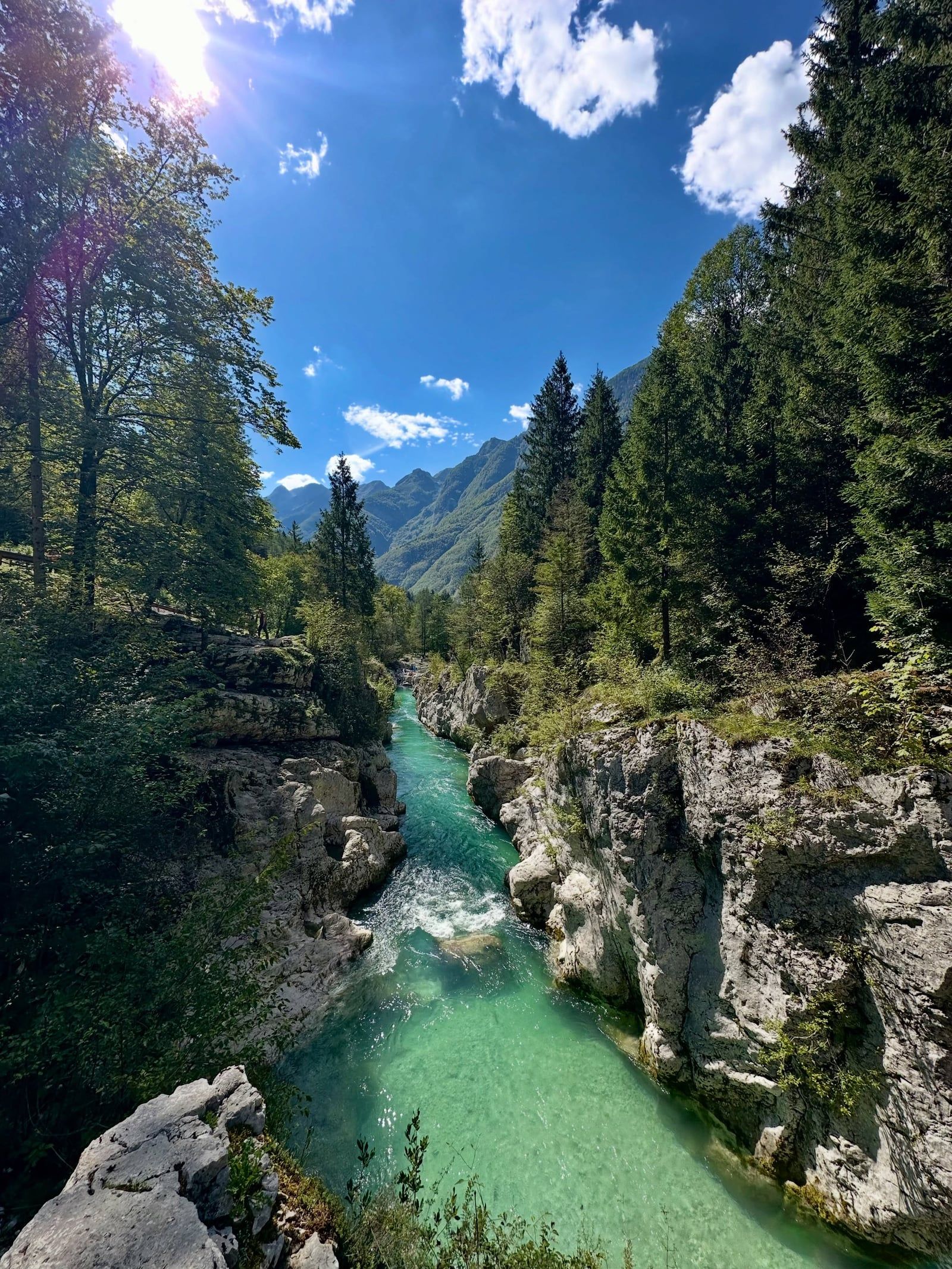
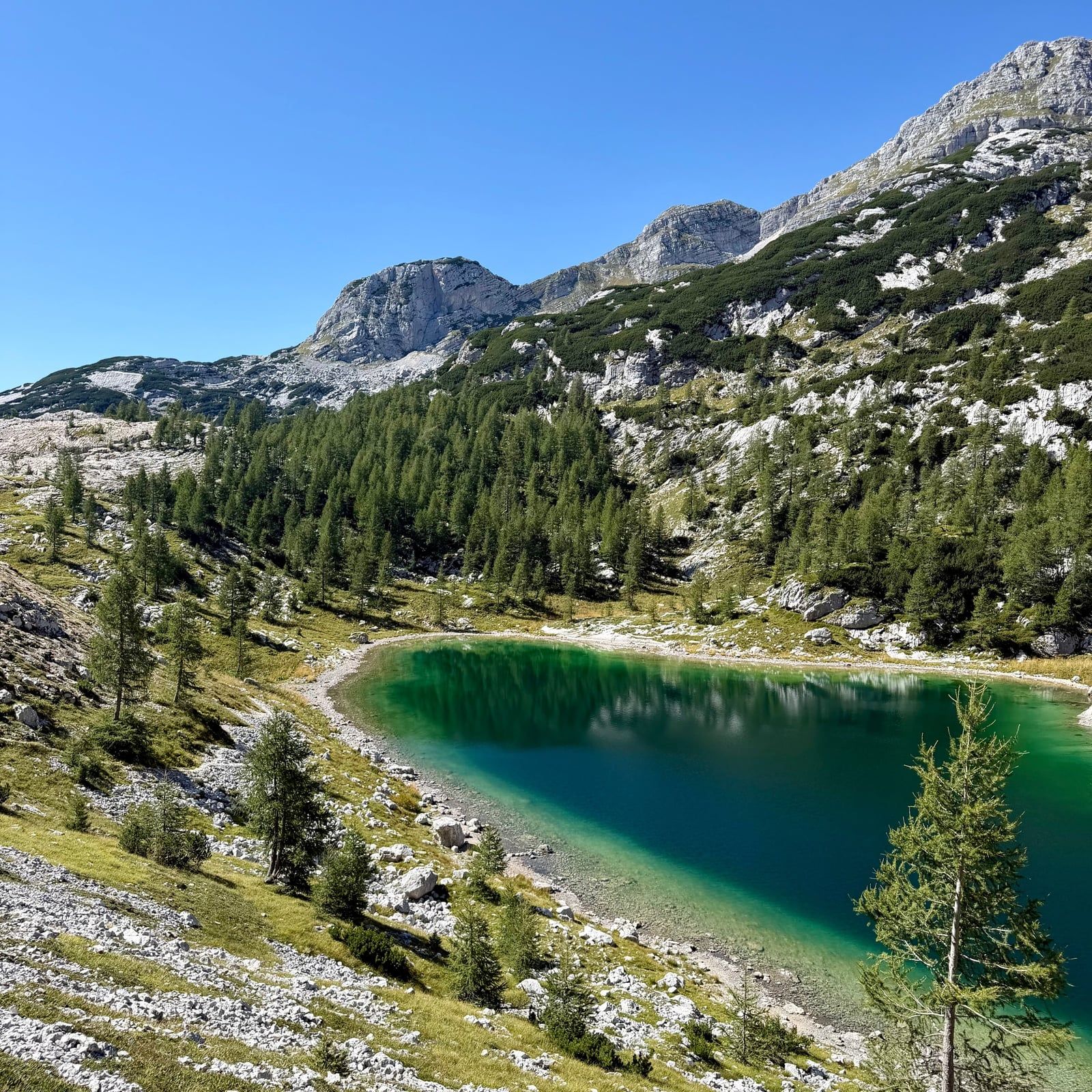
Water is the park's signature. Glaciers left Lake Bohinj and the chain of lakes in the Triglav Lakes Valley; the Radovna river cut Vintgar Gorge, walked today on 1,600 m of wooden boardwalks above rapids and glass-clear pools. At the opposite corner, the Tolminka and Zadlaščica rivers meet inside the Tolmin Gorges, Slovenia's only gorge confluence, at the park's lowest point of 180 m — and a thermal spring of 18.8–21°C sits along the circular trail. The Soča runs improbably turquoise from its source in Trenta. Savica waterfall splits into two streams underground before plunging 78 m in its famous A-shape into a green pool.
Above the valleys the terrain flattens onto the forested karst plateaus of Pokljuka and Komna, covered in beech, spruce and larch. These are the quiet quarters: 134 designated quiet zones protect capercaillie, rock ptarmigan and chamois, and the rules tighten accordingly. Swimming in high-mountain lakes and streams is banned, for dogs as well as people, because those basins are fragile habitats. Want wildlife rather than just views? Go at dawn on Komna, keep the dog leashed, and stay on the marked paths.
Ask a Slovenian about these mountains and you'll hear about Zlatorog before long. The Goldhorn is a legendary white chamois with golden horns said to guard treasure in the Julian Alps above the Soča headwaters, and the tale is folklore central to Slovenian identity — the park exists partly to shelter the terrain it comes from. Bohinj has turned the story into the Zlatorog Fairy Trail, a walking route designed for children.
Literature did its part too. France Prešeren, Slovenia's national poet, glorified Savica Waterfall in his epic The Baptism at Savica, and the cascade is still the park's most photographed. It costs €4 to visit and is free for everyone on the first Sunday of each month — a short but steep stair climb from the car park at Ukanc, one to two hours round trip.
But the park isn't a museum piece; 2,337 people live inside it. Shepherds still move livestock up to mountain pastures each summer, so keep dogs leashed and your distance near the herds. Hut culture binds the mountaineering world together: Kredarica hut at 2,515 m sleeps summit hopefuls, indoor slippers are the norm, sleeping bags are banned (huts provide blankets), and card payment isn't guaranteed — carry cash euros. In Mojstrana, the Slovenian Alpine Museum tells the story of the north-face climbs, and it's the obvious rainy-day stop. Around Bovec, trenches and memorials from the WWI Isonzo Front sit in the same hills people now raft past on the Soča.
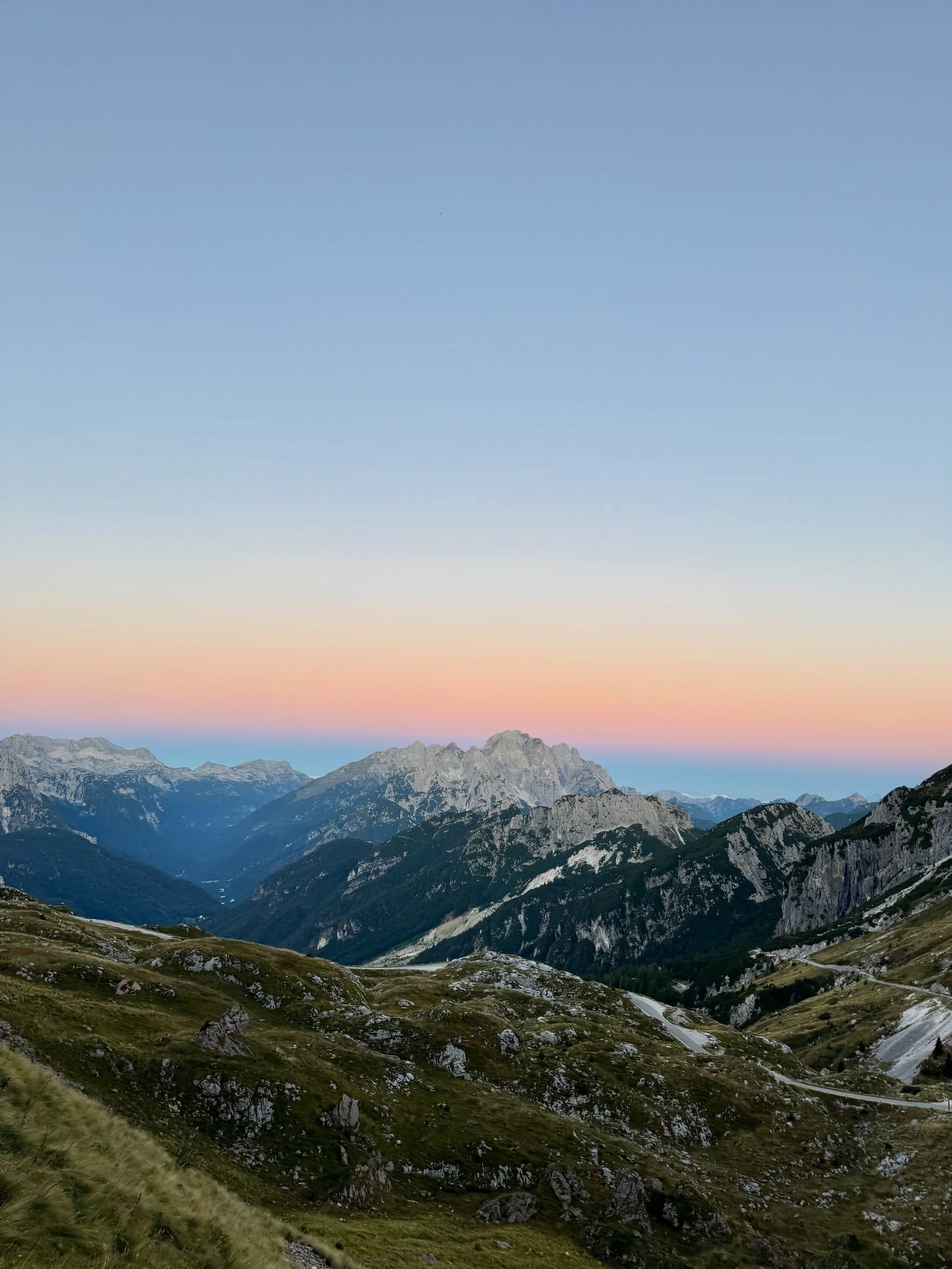
At 840 km², the park covers about 4% of Slovenia's surface area — and it's the only national park in the country.
The park is free, open-access public land with no gates, open 24 hours a day. Only attractions like Vintgar Gorge (€15) and Savica Waterfall (€4) charge admission.
Some 2,337 permanent residents live in 33 settlements inside the park, with the largest shares in Bovec (30.1%) and Bohinj (26.3%).
The Council of Europe awarded the park its Diploma in 2004 and renewed it in 2019 — it's valid until 5 May 2029.
Flights below 1,000 ft over the park are restricted by law, and conservation supervisors monitor social media for illegal footage. Fines run from €200 to €2,500.
Swimming in high-mountain lakes and streams is prohibited to protect fragile habitats — and the ban applies to dogs as well as people.
Mountain huts provide blankets and ban sleeping bags outright. Dorm beds cost €30–45 without Alpine Club membership, roughly half that with a PZS card.
Yes, entry to the park itself is free — it's open-access public land with no gates. You only pay at individual attractions: Vintgar Gorge costs €15 for adults, Savica Waterfall €4, the Tolmin Gorges a seasonal fee, and the Vogel cable car roughly €30 return. The Great Soča Gorge, the Soča Trail, the Mostnica valley walk and the Lake Bohinj shoreline all cost nothing.
Direct buses reach Bled in about two hours for €8–10, and Kranjska Gora in under two hours. Driving takes 1–2 hours via the E61 motorway, which requires a €16 weekly e-vignette bought online with your plate number. Trains run to Jesenice or Lesce-Bled in about an hour, with a 30-minute bus or taxi connection onward.
Yes, it's legal and common to climb without a guide. But every summit route ends on the Mali Triglav via ferrata, about 400 m of cable-protected scrambling that demands a head for heights. Most people do it as a two-day ascent from Krma valley with an overnight at Kredarica hut (2,515 m); IFMGA guides meet clients at the huts from late June to September if you'd rather not tackle the cables alone.
Yes in lowland waters — Lake Bohinj is popular for swimming in summer. No in the high-mountain lakes and streams, where swimming is prohibited to protect sensitive habitats, and the ban covers dogs too. The pool at the base of Savica Waterfall is also closed to access.
No, not without prior authorisation from the park authority. The park's founding act restricts aircraft flights below 1,000 ft above the terrain, so recreational drone flying is effectively banned. Conservation supervisors actively monitor social media for illegal footage, with fines reported between €200 and €2,500.
Buy a timed-slot ticket online in advance (€15 adults, €5 children up to 15, €3 pets) because morning slots sell out in summer. The gorge is most crowded between 10:00 and 13:00, so arrive at opening or in late afternoon. Helmets are mandatory and collected at the Visitor Centre; the pass bundles parking and the electric shuttle. Vintgar runs April to late October and closes completely from November to March.
Yes, but they must stay on a leash in the park's natural environment and keep away from livestock pastures. Dogs are also barred from swimming in high-mountain lakes and streams. Vintgar Gorge charges €3 per pet, and Savica accepts leashed dogs.
No — camping and overnight stays outside designated areas are prohibited under the park's code of conduct, and open fires are banned outside specially designated places. Use the mountain huts or the official campsites around Bled, Bohinj, Pokljuka and the Soča Valley instead.
Yes, if you adjust expectations. Lake Bohinj, Bled, valley walks and the ski areas at Vogel and Kranjska Gora run year-round, and Savica Waterfall stays open weather permitting. But Vintgar Gorge closes November–March, the Vršič Pass road shuts for winter, and high trails demand full winter alpine equipment. Save the summits for summer.
Expect €30–45 per night for a dormitory bed without alpine-club membership, or about half that with a PZS/Alpine Club card. Huts fill up in July and August, so reserve weeks ahead for weekends. Sleeping bags aren't allowed (huts provide blankets), and card payment isn't guaranteed, so carry cash euros.
Browse verified tours with free cancellation and instant confirmation.
Find Tours