About All Tours Lake Bled ToursFrom Ljubljana ToursFrom Bled ToursCanyoning Tours Directions Hours & Fees Guides
Find Tours 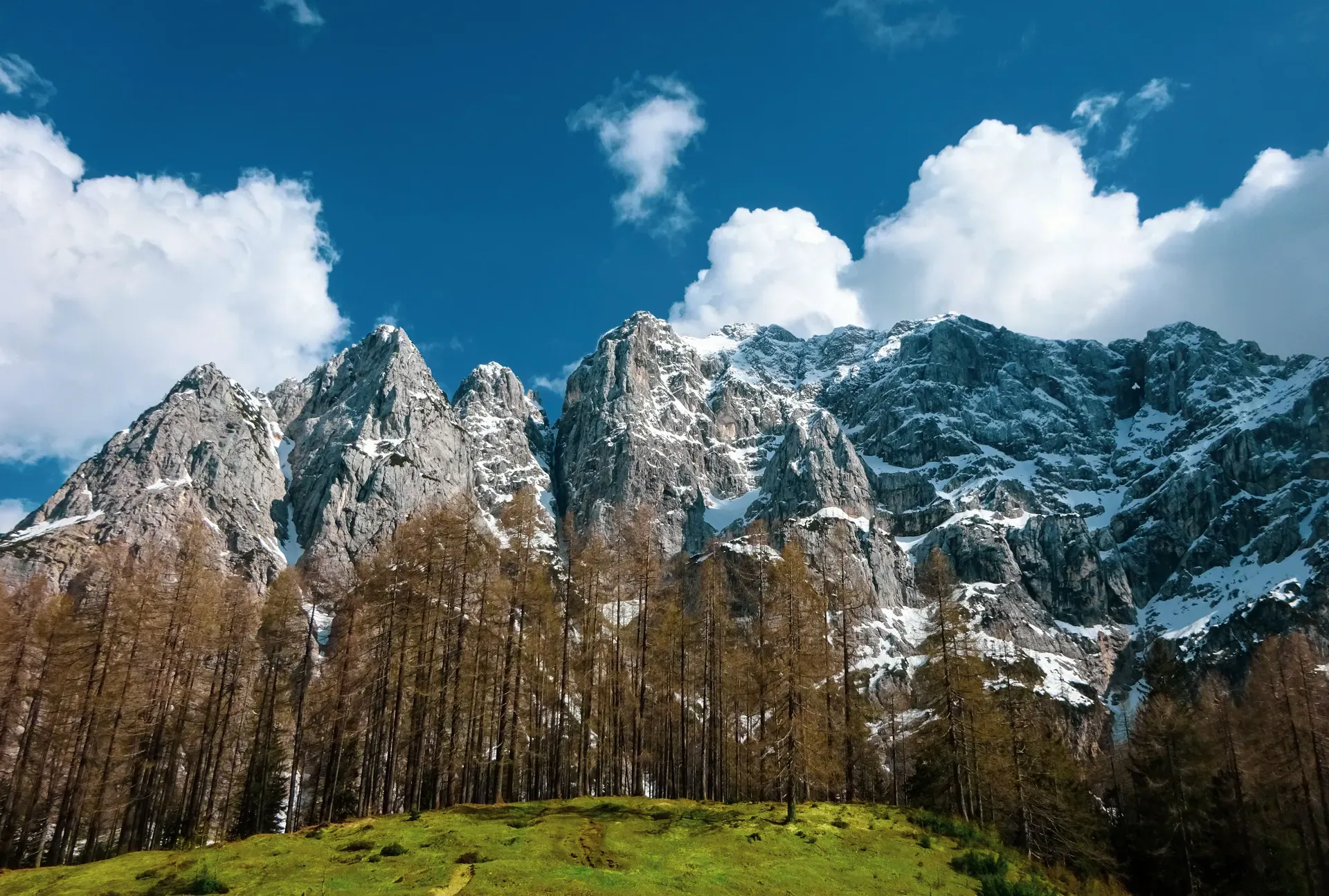
In Slovenia's north-west corner, Triglav National Park squeezes 840 km² of the Julian Alps into one compact area: a 2,864-metre peak with a 3 km limestone north face, the turquoise Soča River, and Lake Bohinj. Walk Vintgar Gorge's 1,600 m boardwalk above the Radovna's rapids, drive the Vršič Pass serpentines, or climb to Kredarica hut at 2,515 m — entry to the park itself is free.
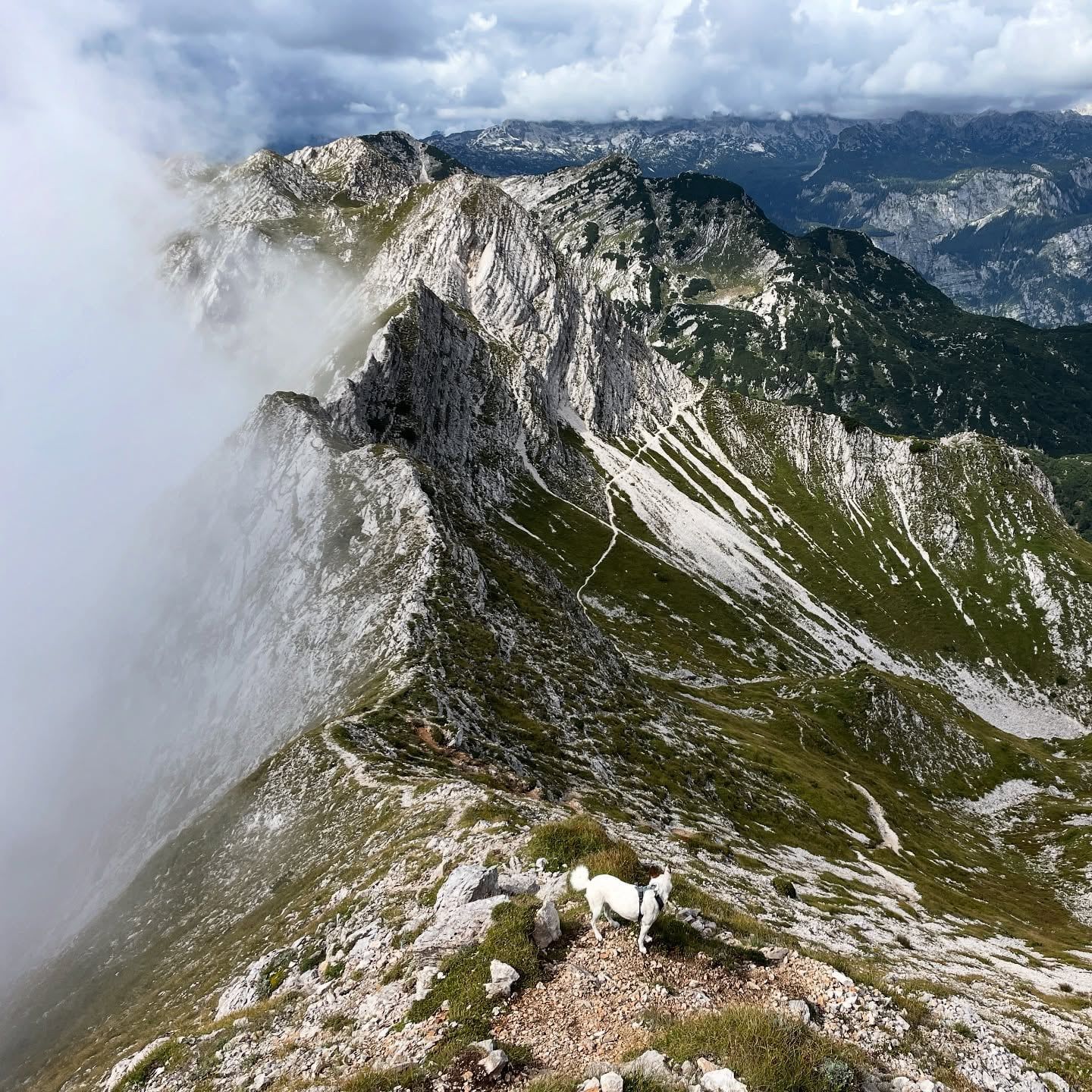
Find Guided ToursSlovenia has exactly one national park, and it's this one: 840 km² of the Julian Alps in the country's north-western corner, pressed against the Italian border. Everything here is named after Mount Triglav, the 2,864-metre peak that is the country's highest point. From the Tolmin Gorges at 180 m to Triglav's summit, the park squeezes glacier-carved valleys, the emerald Soča River, Lake Bohinj, and the karst plateaus of Pokljuka and Komna into a day's drive. About 2,337 people live inside it, in 33 settlements.
The idea surfaced in 1908, when scientist Dr. Albin Belar proposed protecting the land above Komarča. Protection actually began in 1924 with the Alpine Conservation Park — 1,600 hectares of the Triglav Lakes Valley, making this one of Europe's oldest protected areas. A 1961 decree turned it into a national park of 2,000 hectares; the 1981 Triglav National Park Act fixed today's boundaries across the Eastern Julian Alps; and a 2010 amendment added Kneške ravne, bringing the total to 83,982 hectares. The Triglav National Park Public Institute now manages it.
Its conservation credentials stack up: the park anchors the UNESCO Julian Alps Biosphere Reserve (designated 2003), is almost entirely a Natura 2000 site, and holds a Council of Europe Diploma renewed in 2019 through 5 May 2029. Within its three conservation zones are 134 quiet areas protecting capercaillie, rock ptarmigan, and chamois.
Culture runs as deep as the geology. The park shelters the Zlatorog (Goldhorn) legend, a chamois with golden horns that sits at the centre of Slovenian identity, and contains the Savica Waterfall, glorified in France Prešeren's epic "The Baptism at Savica." The strictly protected high-mountain zone alone covers 31,488 hectares — the wildest quarter of an already wild country.
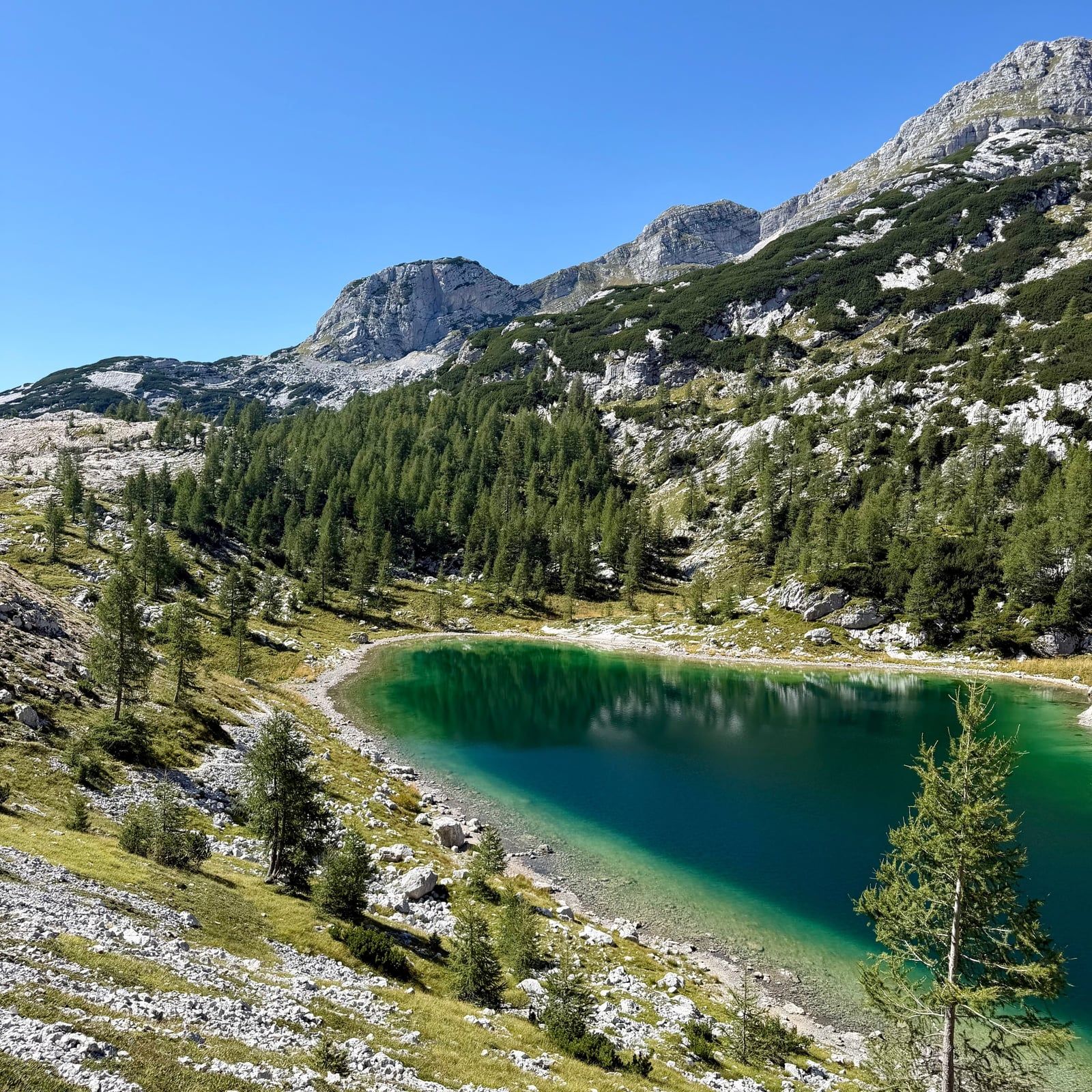
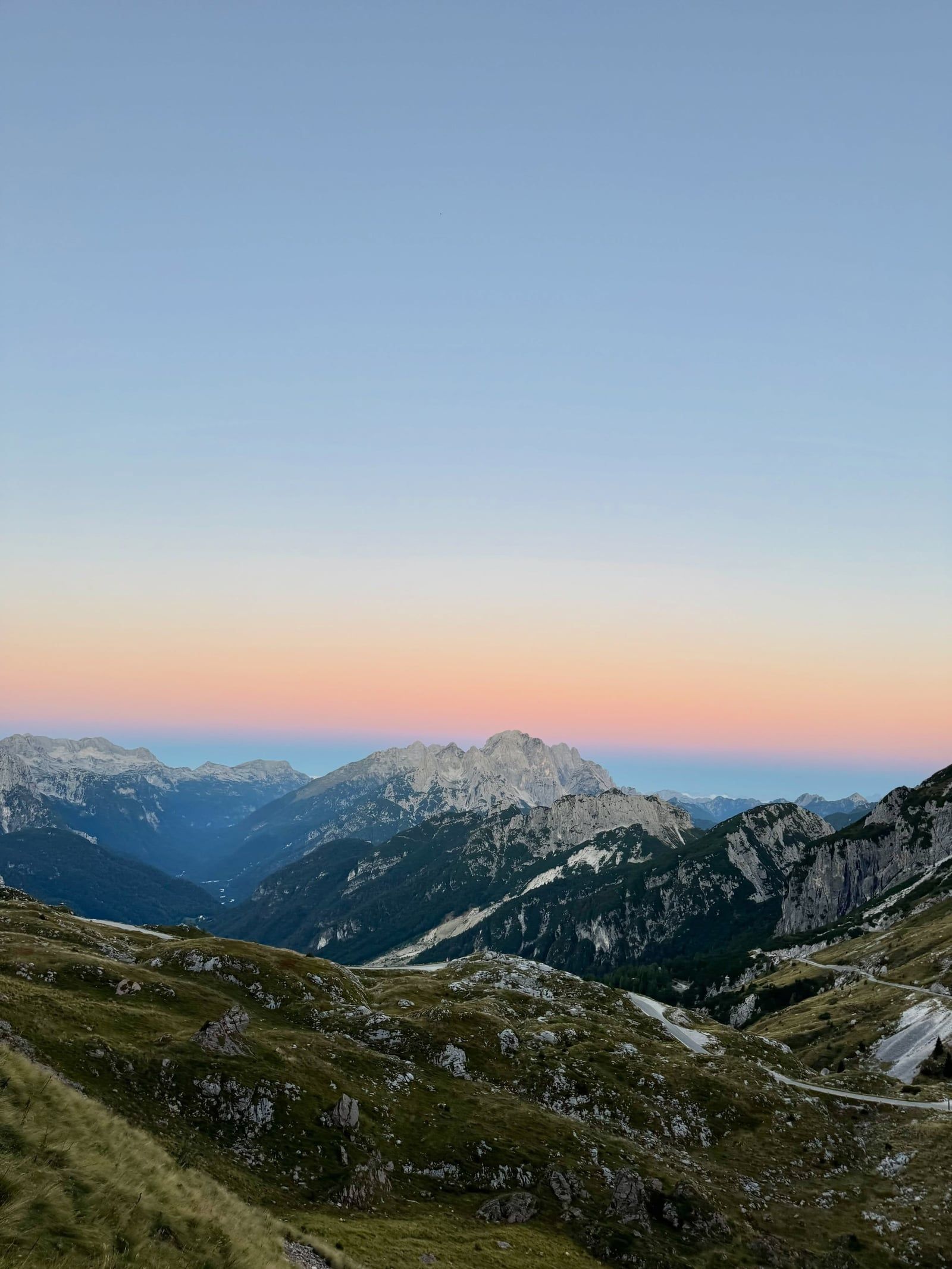
Discover the full history and cultural significance on our About page.
A 1,600-metre wooden boardwalk threads over bridges and rapids of the Radovna River, past pools so clear you can count the stones. The one-way walk takes about 45 minutes; helmets are mandatory. Book timed tickets online (€15 adults, €5 kids) — morning slots sell out in July and August.
The classic two-day route starts in Krma valley and overnights at Kredarica hut (2,515 m) before the final 400 m of cable-protected scrambling up Mali Triglav. From 2,864 m you get a full-circle view over the Julian Alps. Guides run late June to September if you lack via ferrata experience.
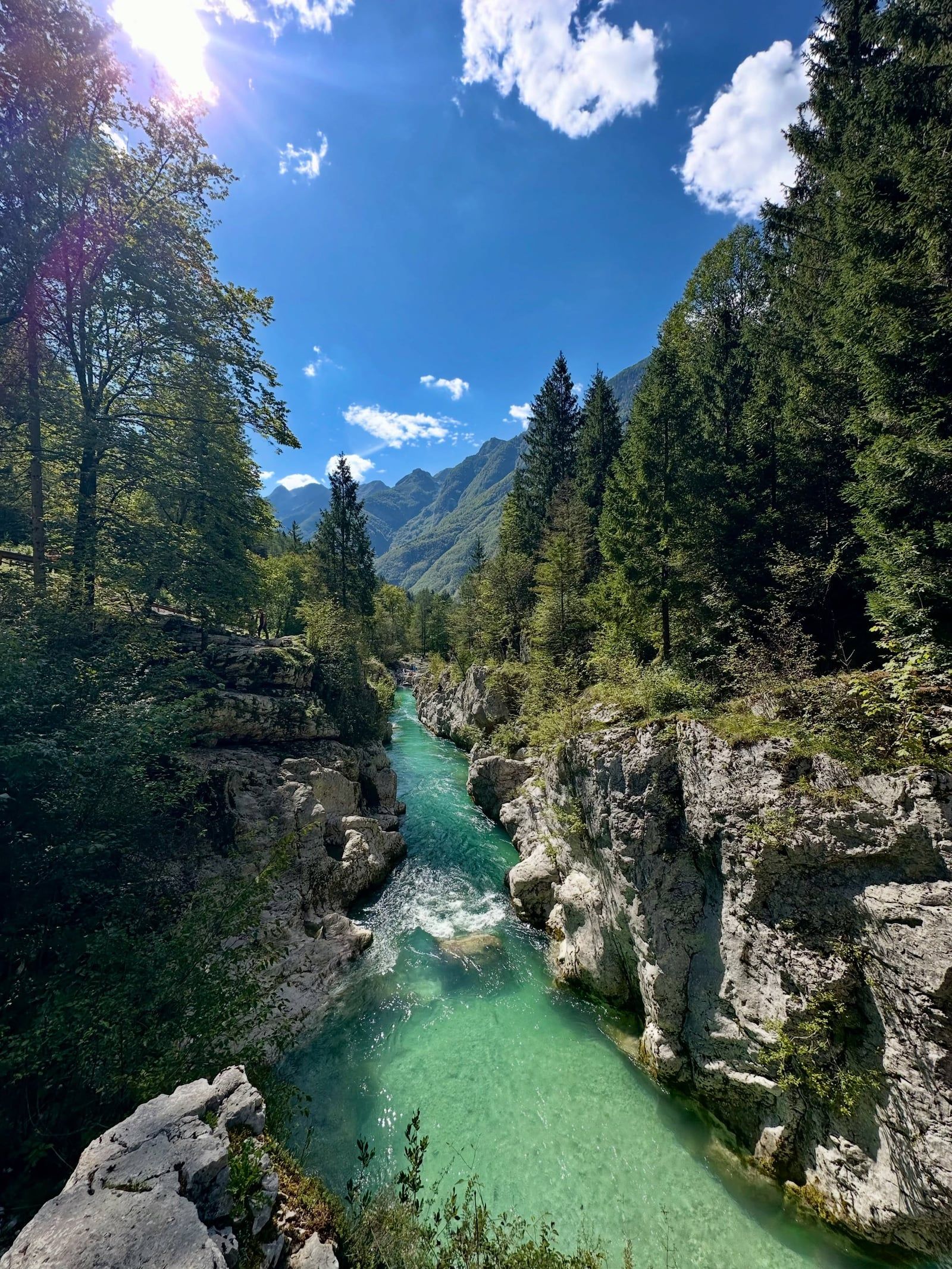
The Great Soča Gorge is 750 metres of polished limestone, 15 metres deep, with turquoise pools bright enough to look artificial. It's free, and you can continue on the Soča Trail toward the river's source in Trenta. Combine it with a Vršič Pass drive — the serpentine road opens around late May.
The cable car from Lake Bohinj lifts you about 1,000 m to Rjava Skala (1,535 m), where the Bohinj Basin, the Julian Alps and Mount Triglav line up for the price of roughly a €30 return ticket. Trails and the Orlove Glave chairlift extend the day; the gondola runs 8:00–18:00.
Join small-group tours (max 8 guests, rated up to 5 stars) from Bled or Ljubljana — free cancellation up to 24 hours.
Swipe to see more
 Free Cancellation 11h
 Free Cancellation
 Free Cancellation 12h
 Free Cancellation 12h Free Cancellation Free Cancellation 12h
 Free Cancellation 10h
 Free Cancellation 11h
Aim for late June to mid-September, when mountain huts and passes are open and snow has cleared from high trails. June and September are the sweet spots — fewer crowds, lower prices than July–August — while November is the month to avoid.
A transition season. May is the wettest month (around 13 rain days), high routes stay snowbound, and the Vršič Pass road stays closed until late May. Late May brings wildflowers and quiet gorges.
The core season. July daytime highs average around 26°C, huts and high passes are open, and snow has melted from trails. July–August bring peak crowds and full mountain huts, so book ahead.
September delivers golden light, thinner crowds and mostly open huts. Then it slides: days shorten, fog and mud set in, Vintgar Gorge closes November–March, and November is the park's poorest month.
For prepared winter hikers and skiers only — Vogel and Kranjska Gora slopes run, and Lake Bohinj stays walkable. The Vršič Pass closes, Vintgar is shut, and high trails demand winter alpine equipment.
The park itself is open-access public land with no gates: year-round, 24 hours a day, free to walk into. Only the staffed attractions keep set hours. Vintgar Gorge runs April to late October: 9:00–16:00 in April and to 31 May, 8:00–17:00 June to early July, 8:00–18:00 in July and August, 8:00–16:00 in September, and 9:00–15:00 from late September to season end — it closes completely November to March. Savica Waterfall's posted 2026 hours are 8:00–19:00 in August and September, 9:00–17:00 in October, and 9:00–16:00 in November and December; it also closes without notice during heavy rain, storms, black ice, high water or rockfall risk. The Vogel cable car runs 8:00–18:00, with the Orlove Glave chairlift 9:00–16:00. The Vršič Pass road shuts for winter (with occasional weekday maintenance closures in the May–June reopening period), and November is the dead month, when most mountain infrastructure is shut down too.
| Category | Price |
|---|---|
| Park entry | Free — no entrance fee |
| Vintgar Gorge — adult, student, senior (All-in-One Pass) | €15.00 |
| Vintgar Gorge — child up to 15 | €5.00 |
| Vintgar Gorge — pet | €3.00 |
| Vintgar Gorge — guided tour, adult | €25.00 |
| Vintgar Gorge — guided tour, child | €15.00 |
| Savica Waterfall — ages 16+ | €4.00 |
| Savica Waterfall — children up to 15.99 | Free |
| Savica Waterfall — holders of a recognized EU disability card | Free |
| Savica Waterfall — holders of the Julian Alps Card | Included |
| Vogel cable car — adult return | Approximately €29.50–€35 (third-party 2025/26 listings) |
| Tolmin Gorges | Seasonal entry fee — price varies by season, timed tickets recommended |
| Great Soča Gorge, Soča Trail, Mostnica/Voje valley walk, Lake Bohinj shoreline | Free |
Vintgar Gorge operates on timed online tickets and morning slots sell out in July–August, so book before you travel (larger groups need 4 days' advance notice by email); the pass bundles parking and the electric shuttle from the LIP car park, and helmets are mandatory, collected at the Visitor Centre — walking the wrong direction or losing a helmet costs a €50 surcharge. Savica Waterfall is free for everyone on the first Sunday of every month. No entry permit of any kind is needed for the park itself.
For complete schedules and ticket prices, visit our Hours & Fees page.
The park sits 80–128 km (50–80 mi) from Ljubljana depending on which gateway you choose, reachable in 1–2 hours by car via the E61 motorway past Jesenice toward Bled. Direct buses also run from Ljubljana to Bled, Kranjska Gora and Lake Bohinj in about 2 hours.
📍 Triglav National Park has no single street address — it covers 840 km² of the Julian Alps in Slovenia's north-western corner along the Italian border. The main gateways are Bled, Lake Bohinj, Kranjska Gora, Bovec and Tolmin.
Drive the E61 motorway past Jesenice toward Bled, then take route 201 or the Bohinj road into the park. Bled is the western springboard for Vintgar Gorge and Bohinj; Kranjska Gora serves the north. You must buy the motorway e-vignette online first, using your rental car's plate number, before touching a Slovenian motorway. Distances run 80–128 km depending on your gateway.
Direct buses connect Ljubljana with Bled, Kranjska Gora and Lake Bohinj, running roughly hourly on the Bled and Bohinj routes in summer. The trip to Bled takes about 2 hours; Kranjska Gora is 1h 45m–2h. Buses stop at Bled's main station, a short hop from the Vintgar Gorge trailheads, so you can reach the park without a car.
Slovenske železnice trains leave Ljubljana for Jesenice or Lesce-Bled in about an hour. From either station, transfer to a local bus or taxi for the final 30 minutes to the park. The line also stops at Bled Jezero, convenient for the Bohinj and Vintgar sides. Fares follow the standard per-kilometre rate — check potniski.sz.si for the current price.
GoOpti and similar operators run on-demand shuttle vans from Venice Marco Polo about 150 km to Bled, a drive of roughly 3h 35m — workable if you're combining the Julian Alps with an Italian arrival. Trieste airport is closer (about 38 mi away) and connects to the Soča Valley side via buses toward Bovec and Tolmin. Book the Venice shuttle ahead; it's a shared-van service.
For detailed transport options and routes, visit our Directions page.
Vintgar Gorge caps visitors with timed online tickets, and morning slots sell out through July and August. The €15 All-in-One Pass covers parking and the electric shuttle from the LIP car park. Aim for right at opening or after 15:00 — the walkway is most crowded between 10:00 and 13:00. Helmets are mandatory, and losing one costs a €50 surcharge.
Savica Waterfall is free for everyone on the first Sunday of every month; otherwise it's €4 for ages 16 and up. Go early, since the stair-heavy trail funnels everyone onto a single viewpoint. Note it closes without notice during heavy rain, storms, black ice, or rockfall risk — check bohinj.si that morning.
Recreational drone flying is effectively banned: the park restricts aircraft below 1,000 ft above terrain, and conservation supervisors actively monitor social media for illegal footage. Fines run €200 to €2,500. Ground-level personal photography is unrestricted, so shoot the Soča's turquoise pools from the banks instead.
Dormitory beds in mountain huts cost €30–45 per night, roughly half that with a PZS or Alpine Club membership. Book Kredarica (2,515 m) weeks ahead for July–August weekends, since huts fill fast. Sleeping bags are banned — blankets are provided — and card payment isn't guaranteed, so bring euros.
Slovenian motorways require an e-vignette, €16 for one week for a passenger car, and rental drivers must buy it online using the car's plate number before hitting the E61 toward Bled. There are no physical stickers or booths to stop at. Parking at rural trailheads may also be cash-only, so keep some euros handy.
Vintgar's stepped boardwalks and Savica's stair trail are officially unsuitable for wheelchairs and strollers. Skip them and head for the flat lakeside promenades around Lake Bohinj, quiet village roads in the Soča Valley, or viewpoint stops reached by car over the Vršič Pass. The settled third conservation zone is the park's most road-accessible area.
Slovenia's iconic alpine lake, with a church-topped island and a clifftop castle, sits right at the park's doorstep. Rent a pletna boat to the island or walk the lakeshore circuit, then reward yourself with a slice of Bled cream cake.
The adventure capital of the Julian Alps, on the emerald Soča River, with whitewater rafting, kayaking and canyoning in summer. You also get the Great Soča Gorge, Kozjak waterfall and WWI Isonzo Front heritage, on the park's sunny, low side.
A lively alpine resort town and the park's northern gateway, with Slovenia's best-known ski slopes in winter. The Zelenci springs and Planica ski-flying centre are nearby, and it's the standard launch point for the Vršič Pass drive and Tamar valley hikes.
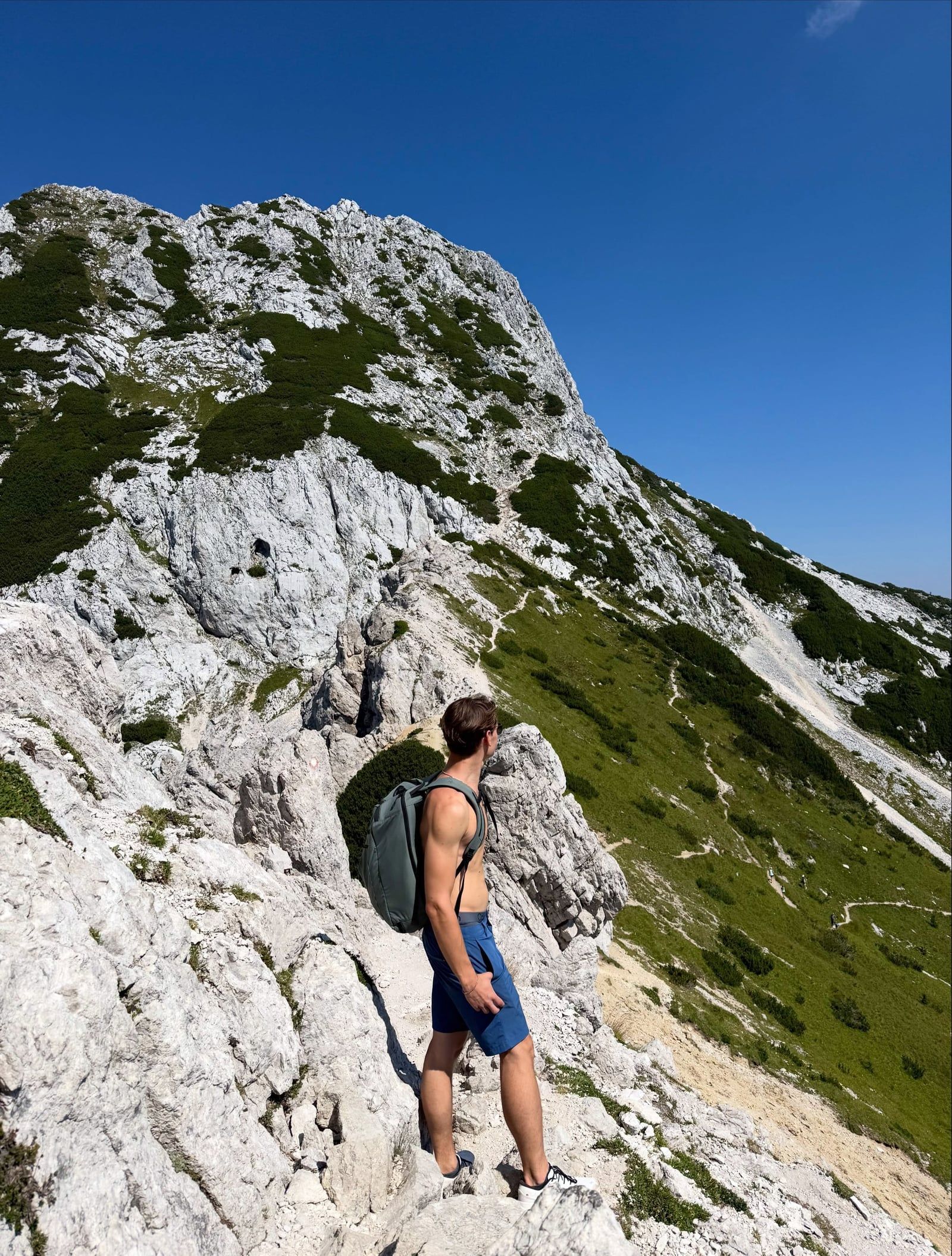
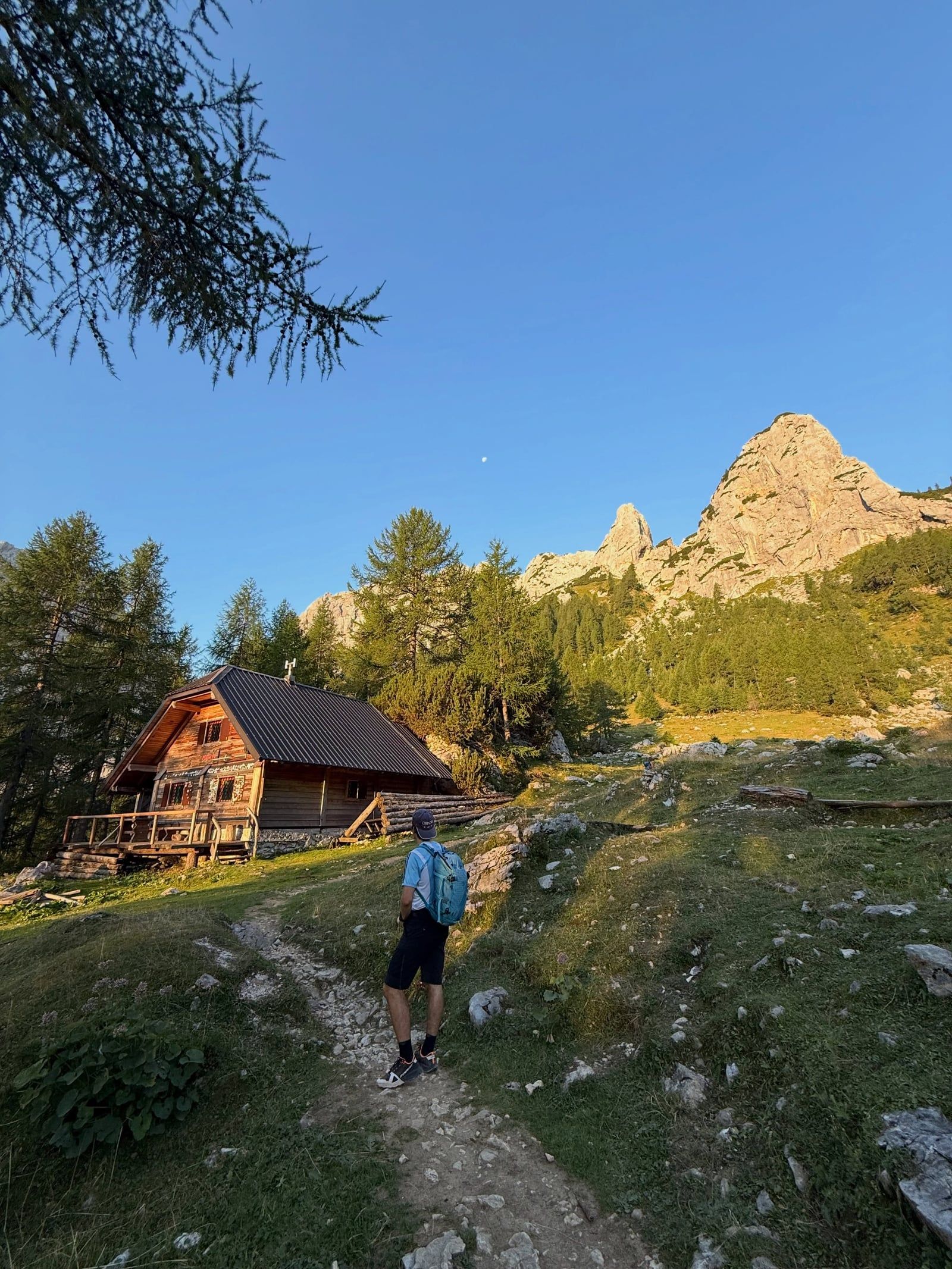
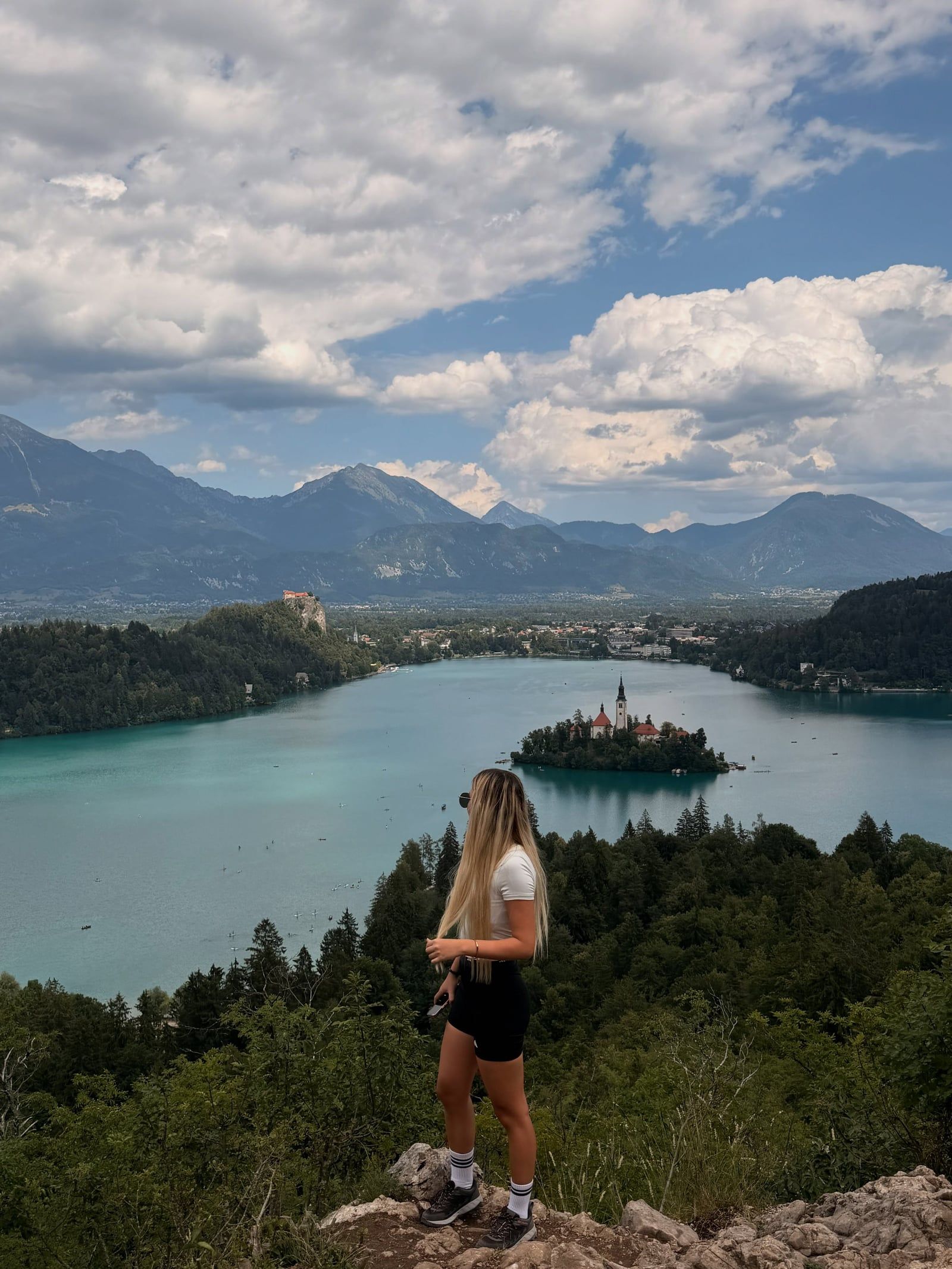
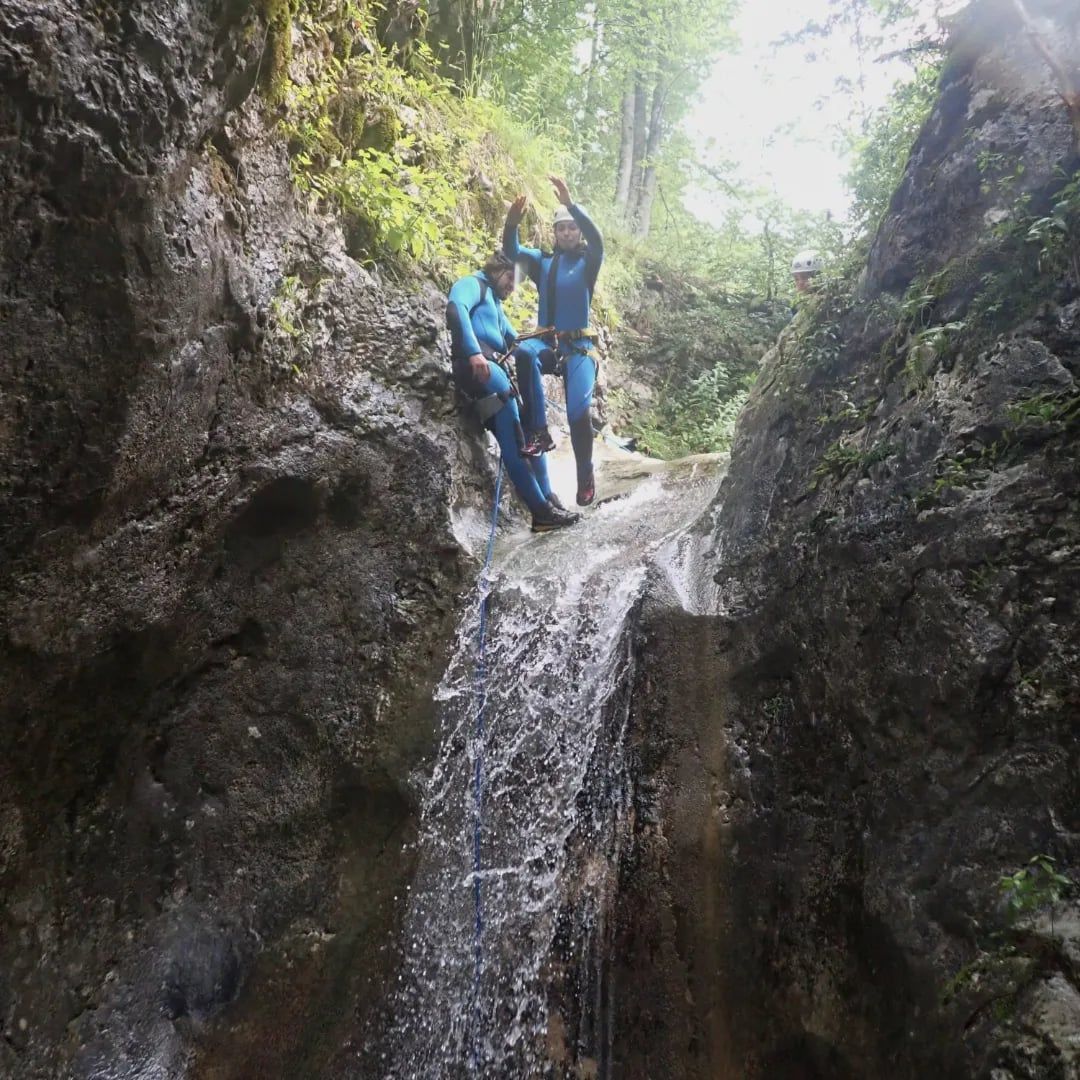
Read what travelers share about their experience visiting Triglav National Park — from practical tips to personal highlights.
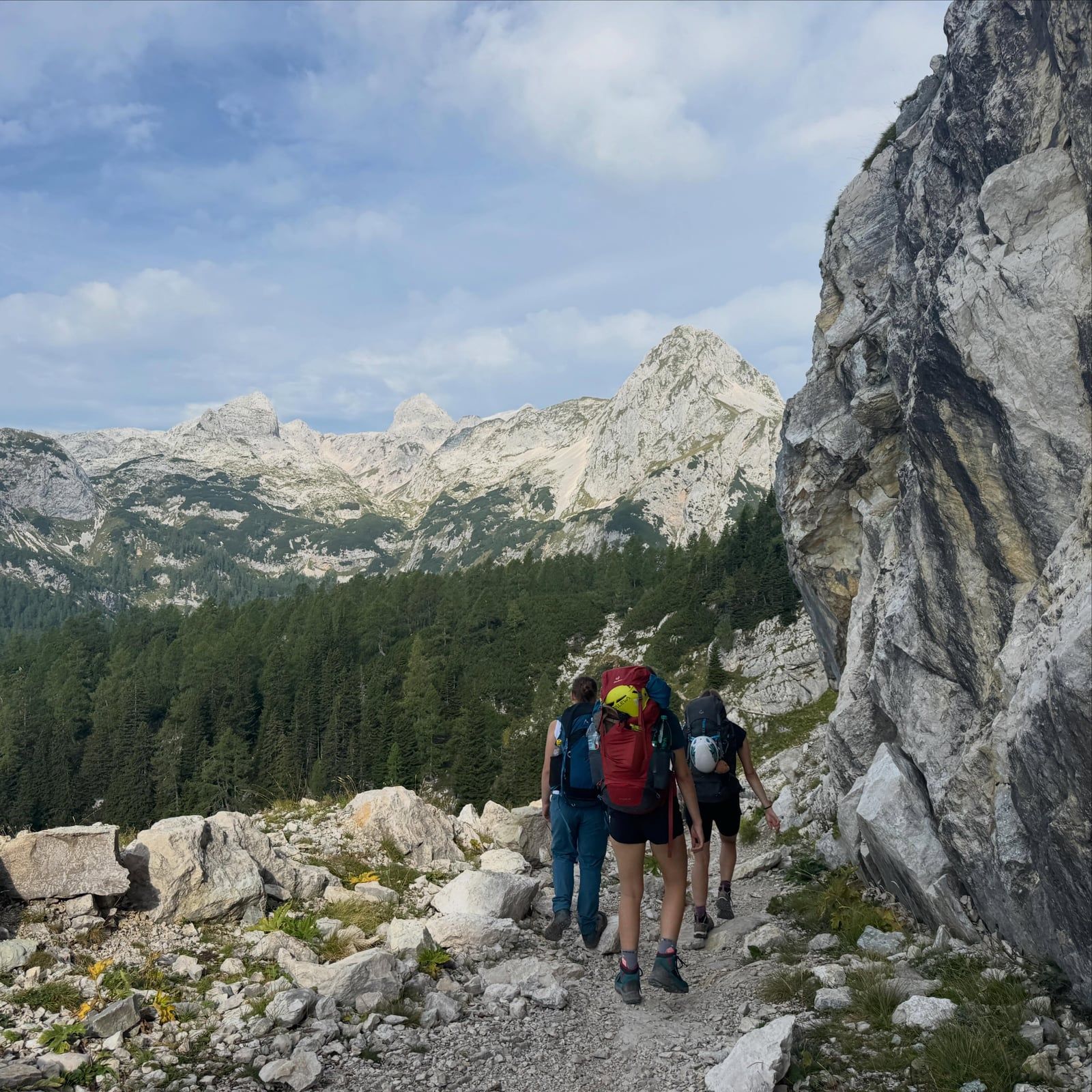
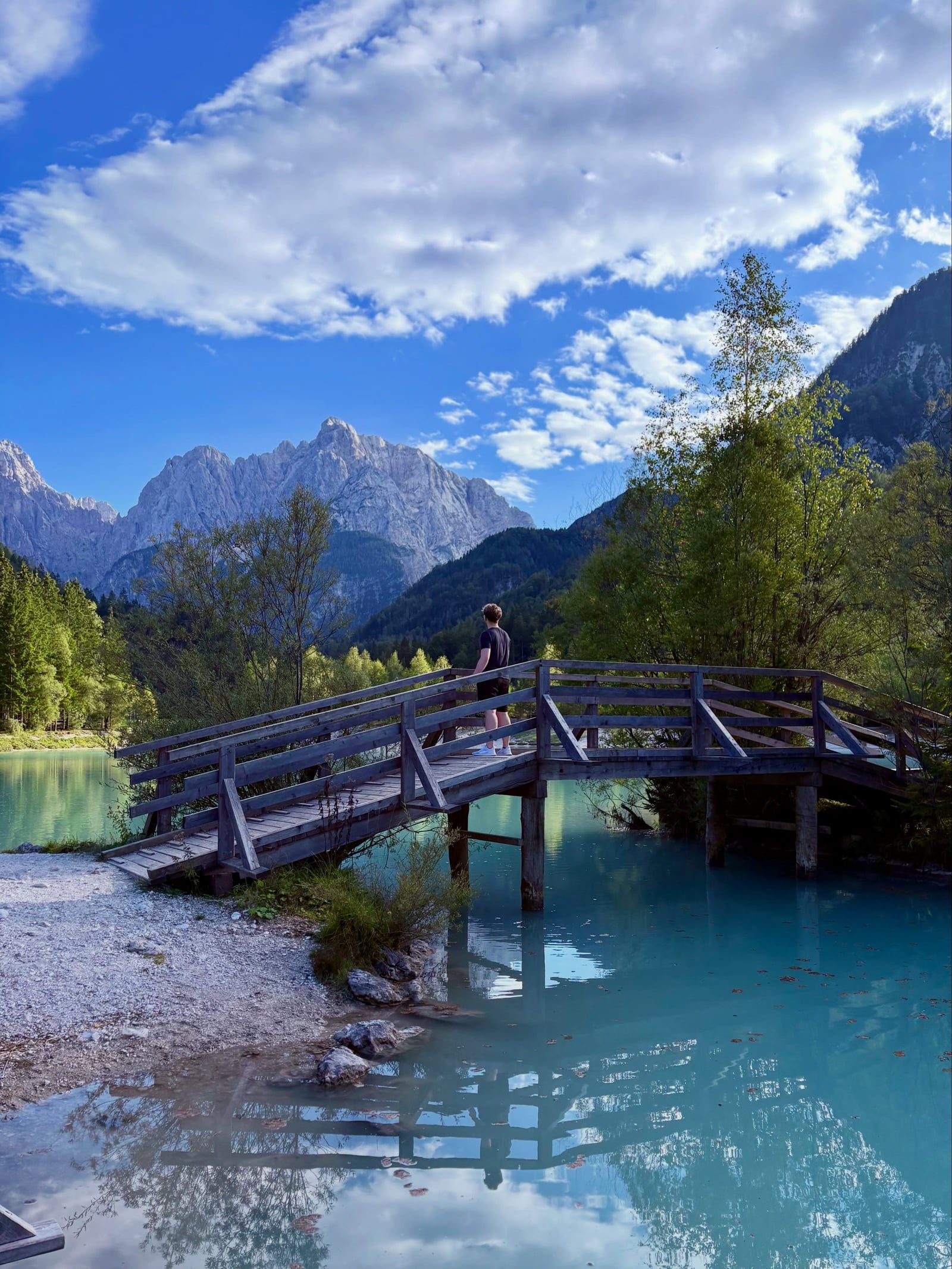
Planning advice, comparisons, and practical tips.
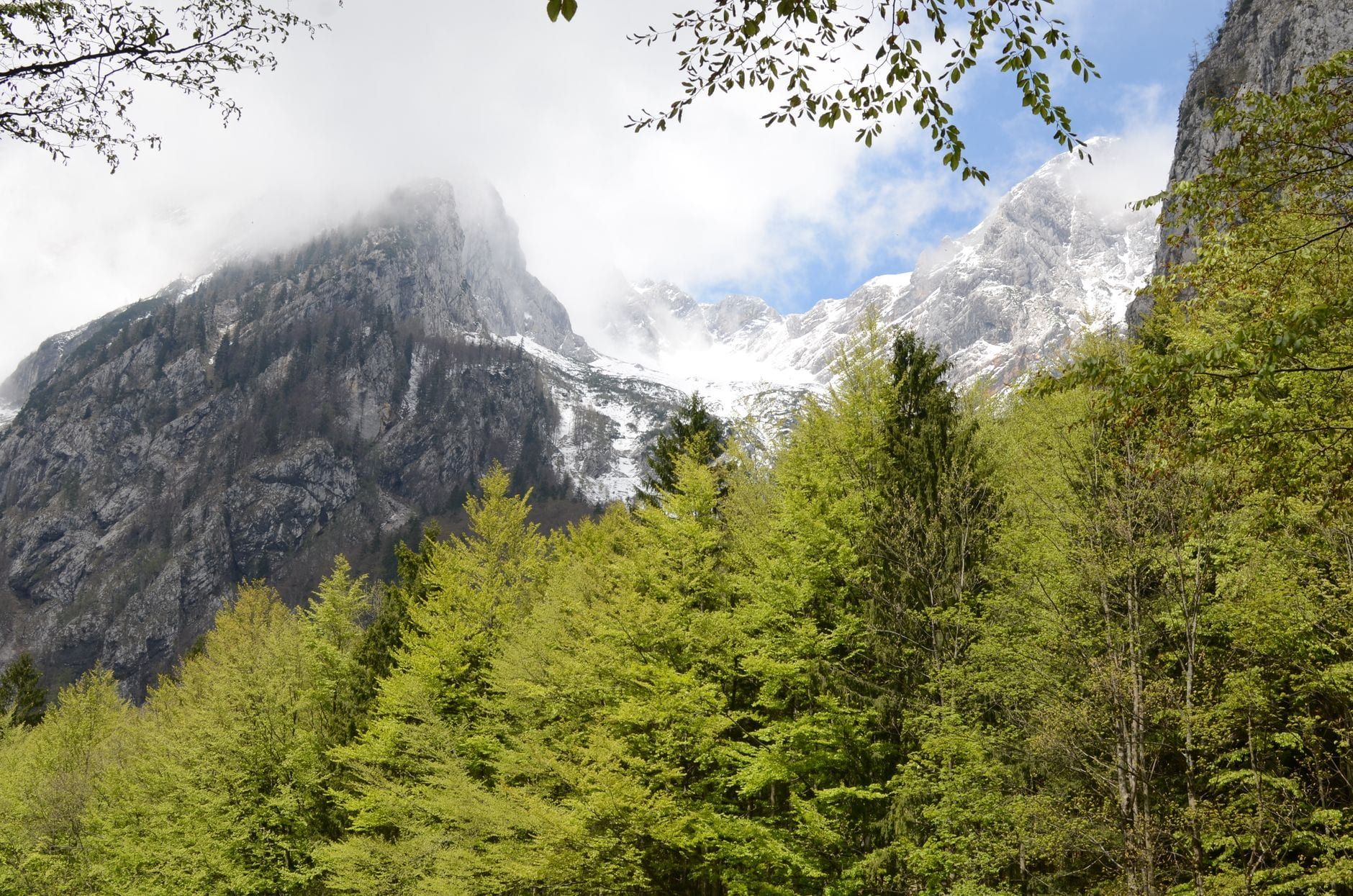
From December to March, Triglav National Park runs a stripped-down programme. Snow closes the high passes, the gorge boardwalks board up, and most…
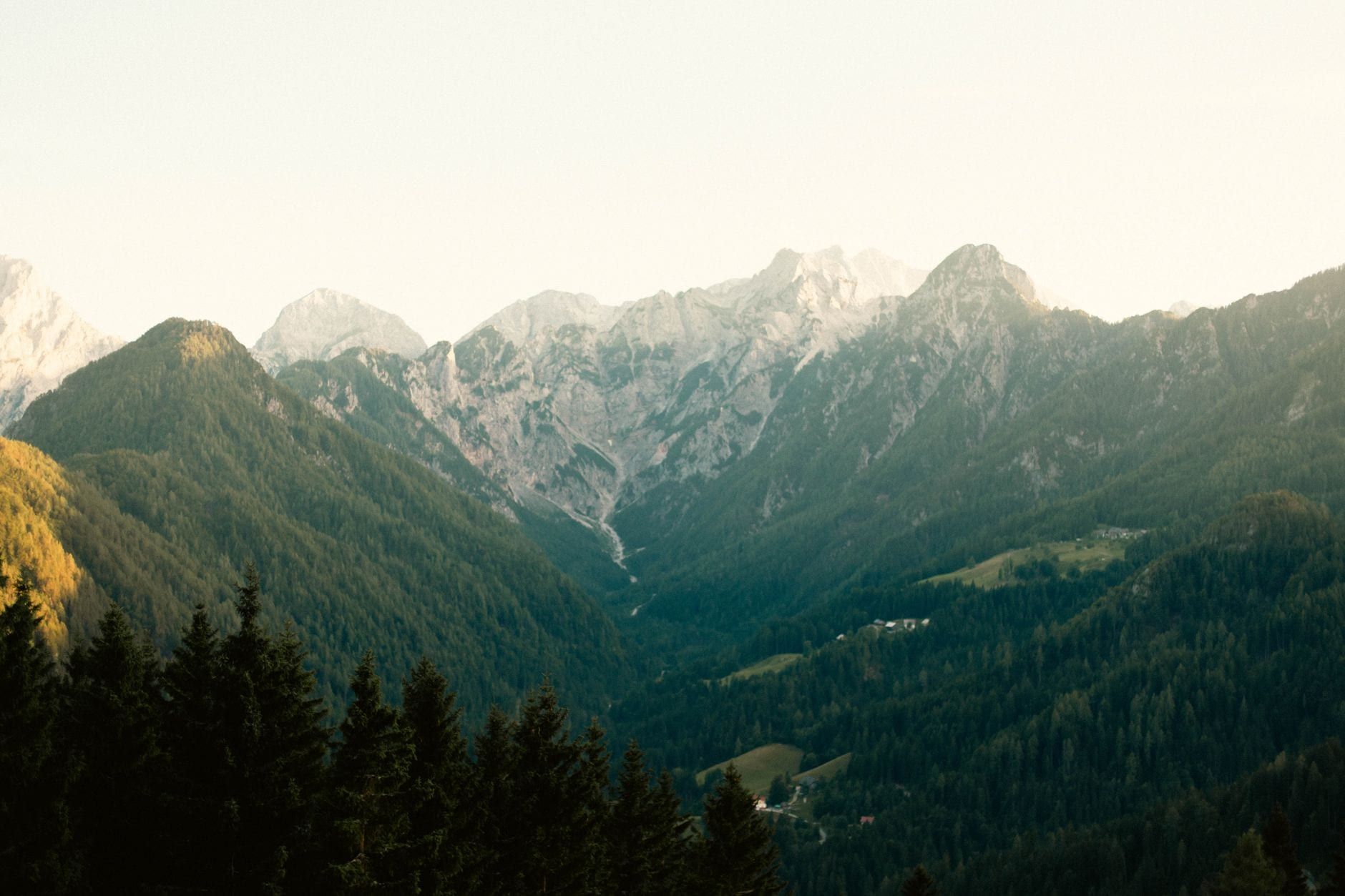
Triglav National Park packs glacier valleys, karst plateaus and Slovenia's only high mountains into 840 km² of the Julian Alps, all laced with more…
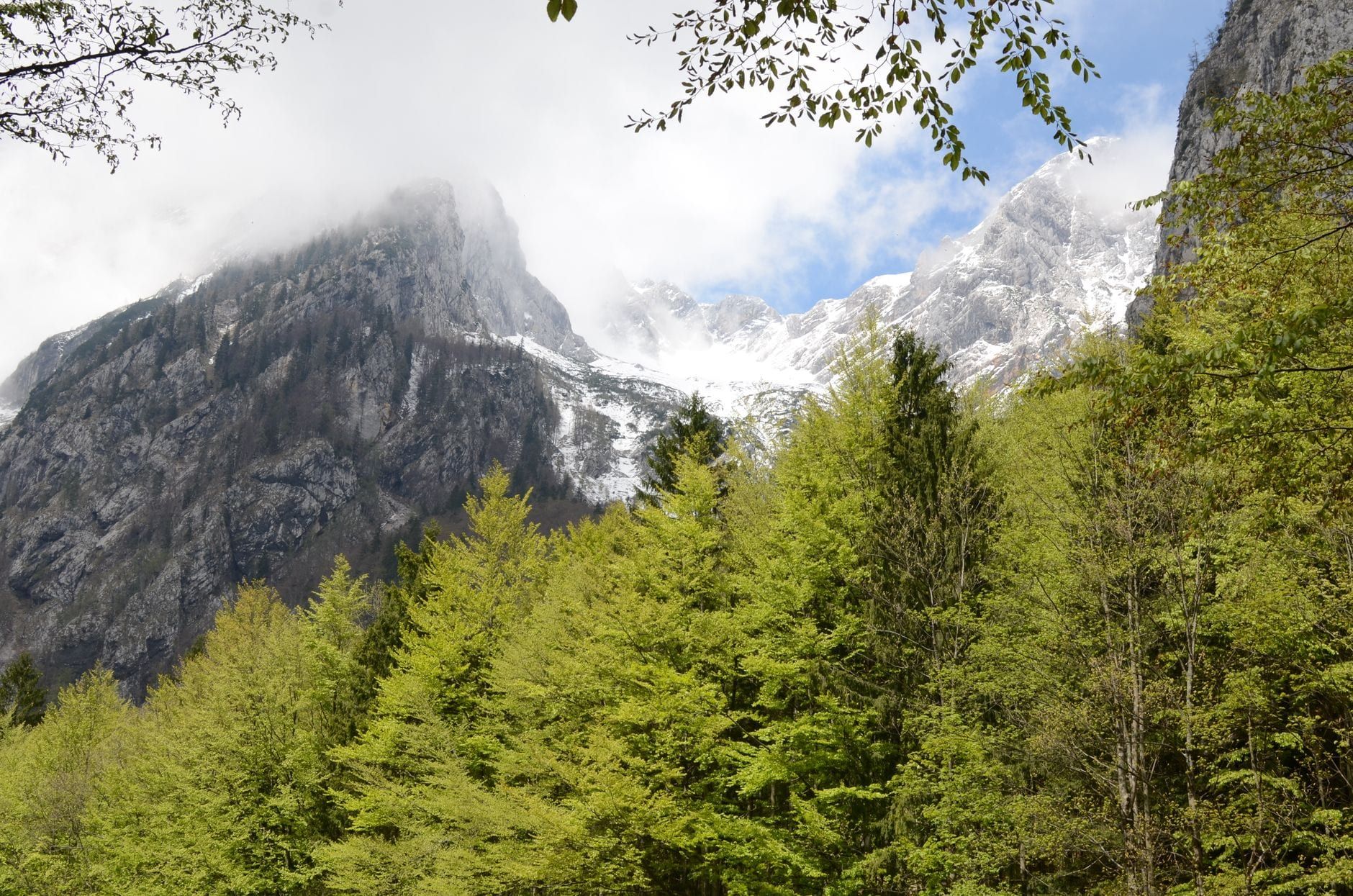
Mid-October is when Slovenia's only national park looks its best: beech forests rust-red around Lake Bohinj, larch slopes gold above Vršič Pass, and…
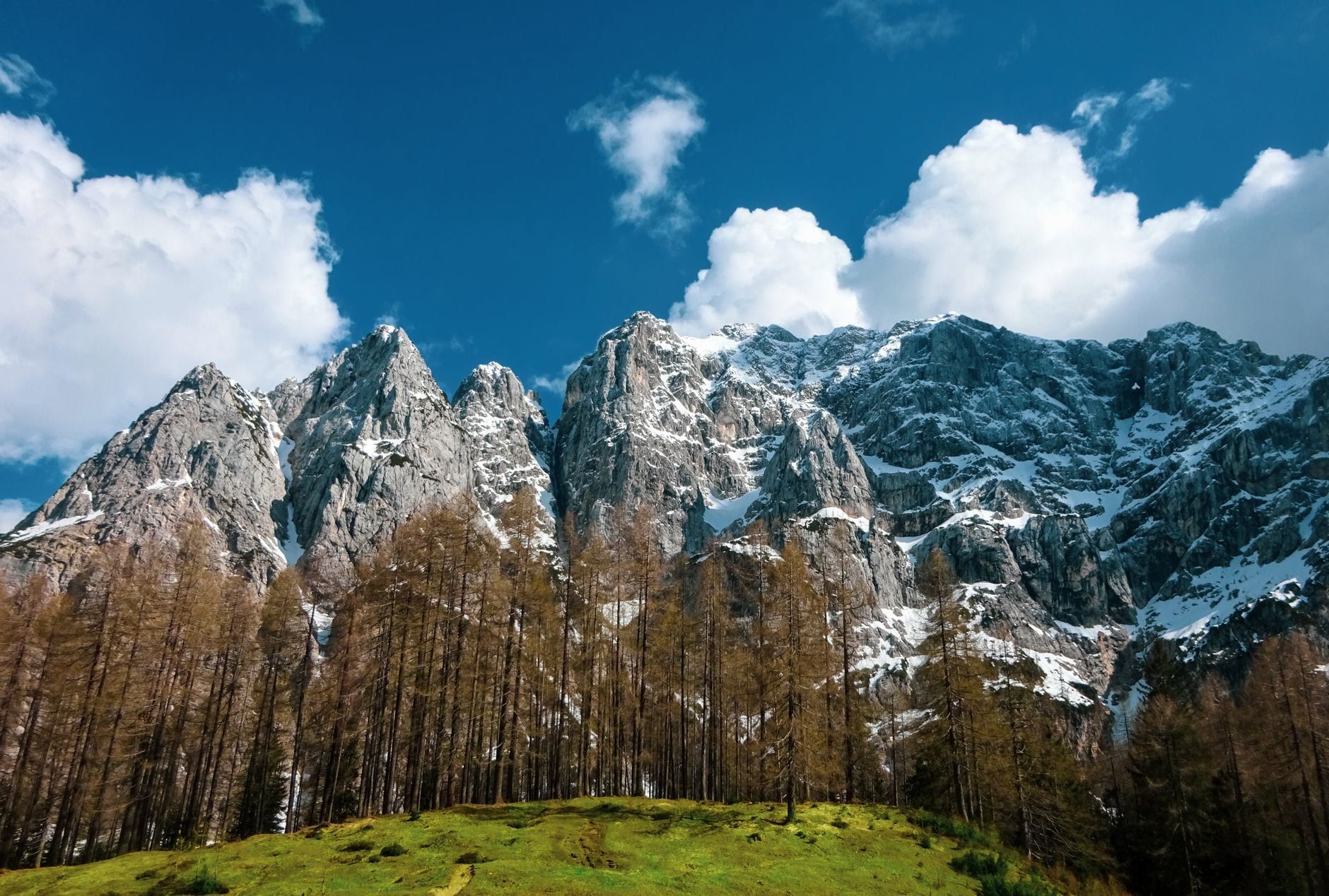
Deciding where to sleep is the single biggest planning call for Triglav National Park, because the answer changes the shape of your whole trip.…
Yes, entry to the park itself is free and it's open-access public land with no gates. Individual attractions charge separately: Vintgar Gorge costs €15 for adults (€5 for children up to 15, €3 per pet), Savica Waterfall is €4 for ages 16+ and free for everyone on the first Sunday of every month, and the Vogel cable car runs roughly €30 return. Free options include the Great Soča Gorge, the Soča Trail, the Mostnica/Voje valley walk and the Lake Bohinj shoreline.
Driving takes 1–2 hours via the E61 past Jesenice toward Bled, but you'll need a motorway e-vignette first (€16 for one week, bought online with your plate number). Direct buses reach Bled in about 2 hours for roughly €8–10 one-way, or you can take a train to Jesenice or Lesce-Bled (about an hour) and transfer to a 30-minute bus connection. From Ljubljana's Jože Pučnik Airport, it's a 30–40 minute drive of about 35–45 km to Bled.
Aim for late June to mid-September, when huts and passes are open and snow has cleared from the high trails — July daytime highs average around 26°C. June and September are the sweet spots: fewer crowds than July–August, lower prices, and September adds golden autumn light while most huts stay open. Skip November if you can — Vintgar Gorge is closed November–March, days are short, and most mountain infrastructure shuts down.
Most visitors spend 2–3 days. A half-day covers Vintgar Gorge (a 45-minute one-way walk, or 2–3 hours with the return trail) or Savica Waterfall (1–2 hours from the Ukanc car park), while a full day handles Lake Bohinj with the Vogel cable car or the Vršič Pass drive. Fit hikers doing the two-day Triglav summit via Kredarica hut (2,515 m) should add time, and hut-to-hut trekkers can string together 4–8 days.
Yes — Vintgar runs on timed online tickets and morning slots sell out in July–August. The All-in-One Pass is €15 for adults, €5 for children up to 15 and €3 for pets, and it bundles parking plus the electric shuttle from the central LIP car park. Aim for before 10:00 or late afternoon; the gorge is most crowded 10:00–13:00, and larger groups need to give 4 days' notice by email.
Sturdy hiking boots with good grip are essential beyond the valley promenades, plus layered clothing — mountain weather changes fast. Helmets are mandatory in Vintgar Gorge and provided via the Visitor Centre, and if you're staying in mountain huts, bring indoor slippers (sleeping bags are banned; huts provide blankets). Carry cash euros too, since card payments aren't guaranteed at huts and rural parking meters may be cash-only.
Wheelchair access inside the park is very limited — Vintgar's stepped wooden walkways and Savica's stair trail are officially unsuitable for both wheelchairs and strollers. Your best options are the flat lakeside promenades around Lake Bohinj and Bled, flat village roads in the Soča Valley, and viewpoint stops reached by car. Families with kids should head for Vintgar's Adventure Passport (13 interactive stations) or the Zlatorog Fairy Trail at Bohinj instead.
No to both. Camping and tenting outside designated areas are prohibited under the park's code of conduct, as are open fires outside designated places — use mountain huts or official campsites around Bled, Bohinj, Pokljuka and the Soča Valley instead. Drones are effectively banned too: the Triglav National Park Act restricts flights below 1,000 ft above terrain without authorisation, and supervisors monitor social media for illegal footage, with fines reported between €200 and €2,500.
Browse verified tours with free cancellation and instant confirmation.
Find Tours

