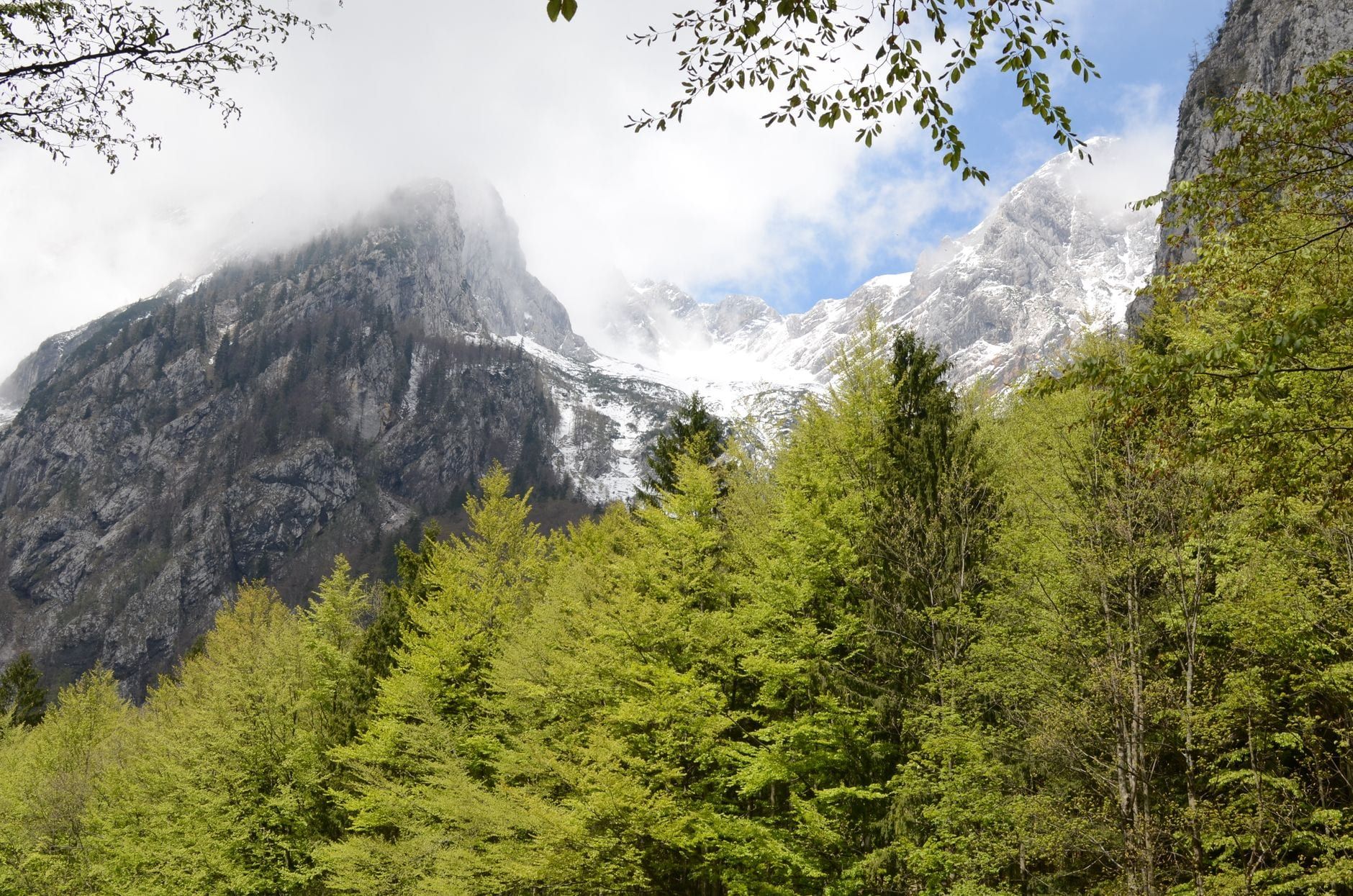
Mid-October is when Slovenia's only national park looks its best: beech forests rust-red around Lake Bohinj, larch slopes gold above Vršič Pass, and the Soča running turquoise beneath yellow trees. The summer crowds have gone home, hotel rates drop, and the park's icons — Vintgar Gorge, Peričnik waterfall, the Bohinj shoreline — quiet down to a trickle. Autumn here runs from late September to early November, and it rewards planning. This guide covers the color calendar, the weather reality, five hikes built around the season, hut openings, costs and a 2–3 day itinerary that fits inside autumn's short days.
Why Visit Triglav National Park in Autumn
Three things change for the better in October: crowds, prices and color. Vintgar Gorge, which funnels thousands of visitors a day in July, slows to a walk-through by mid-autumn. Parking at Peričnik waterfall, a mid-morning gamble in summer, is easy. Hotel rates in Bled and Bohinj drop for the shoulder season, and you can book a good room days rather than months ahead.
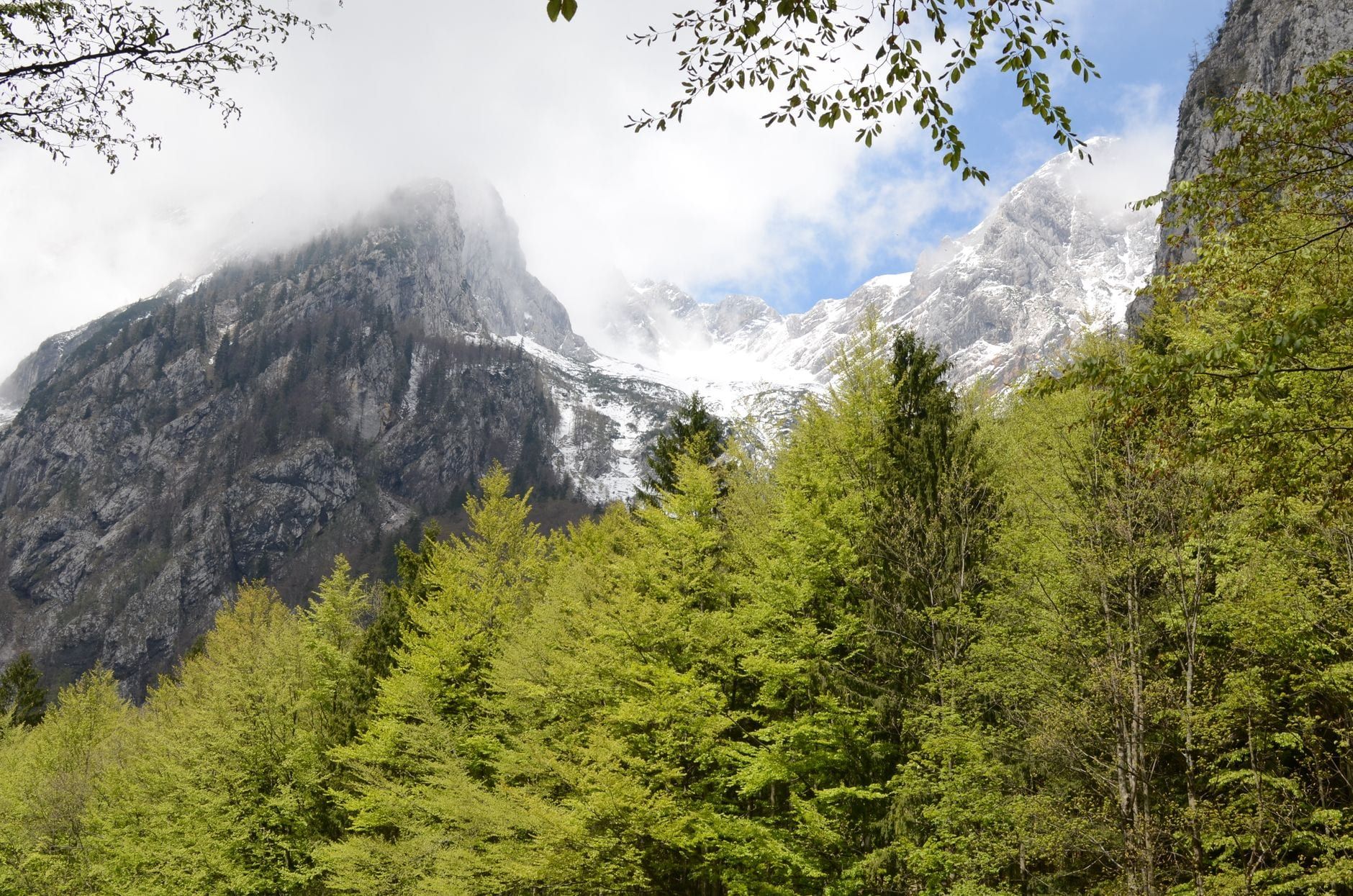
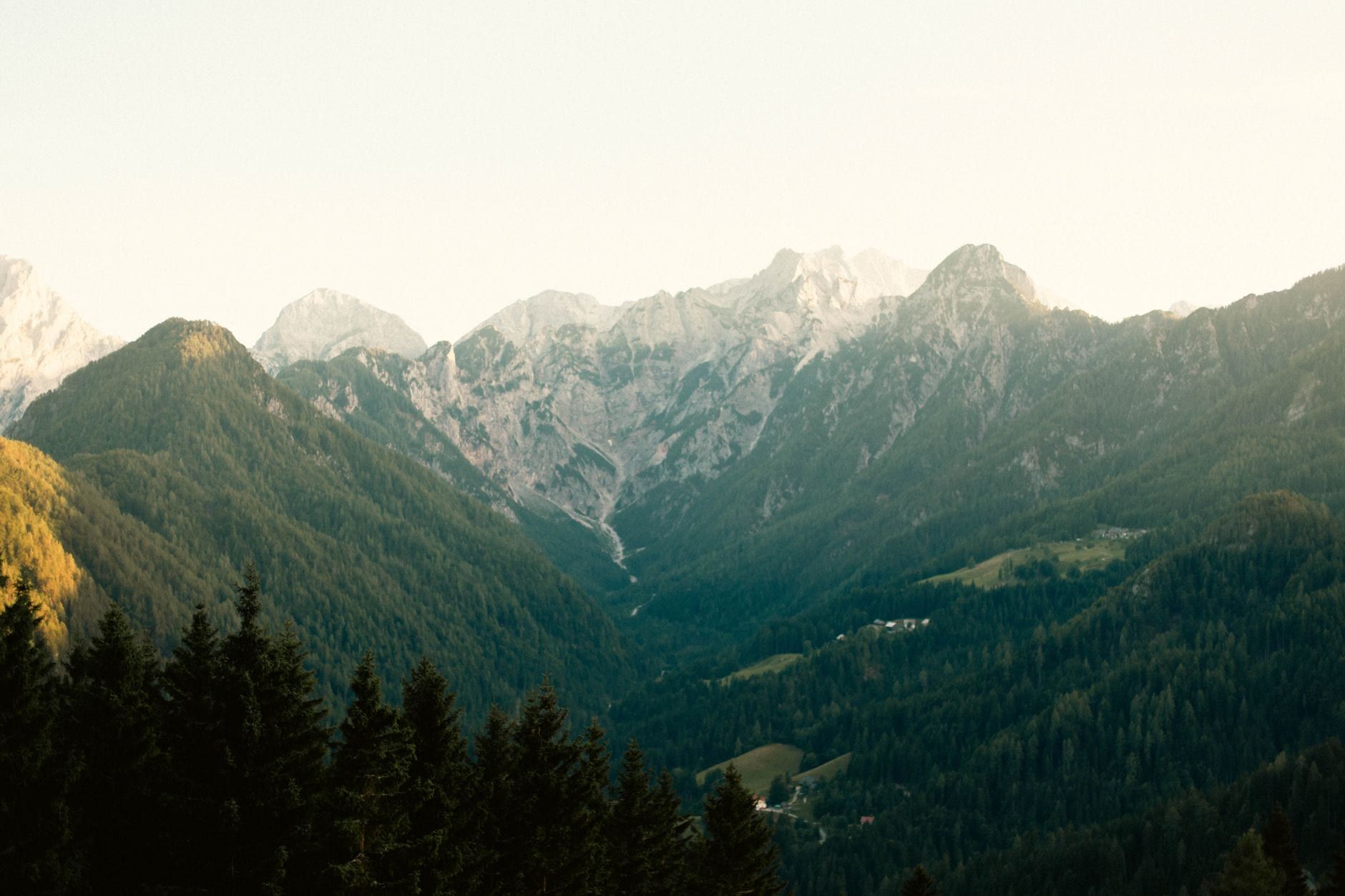
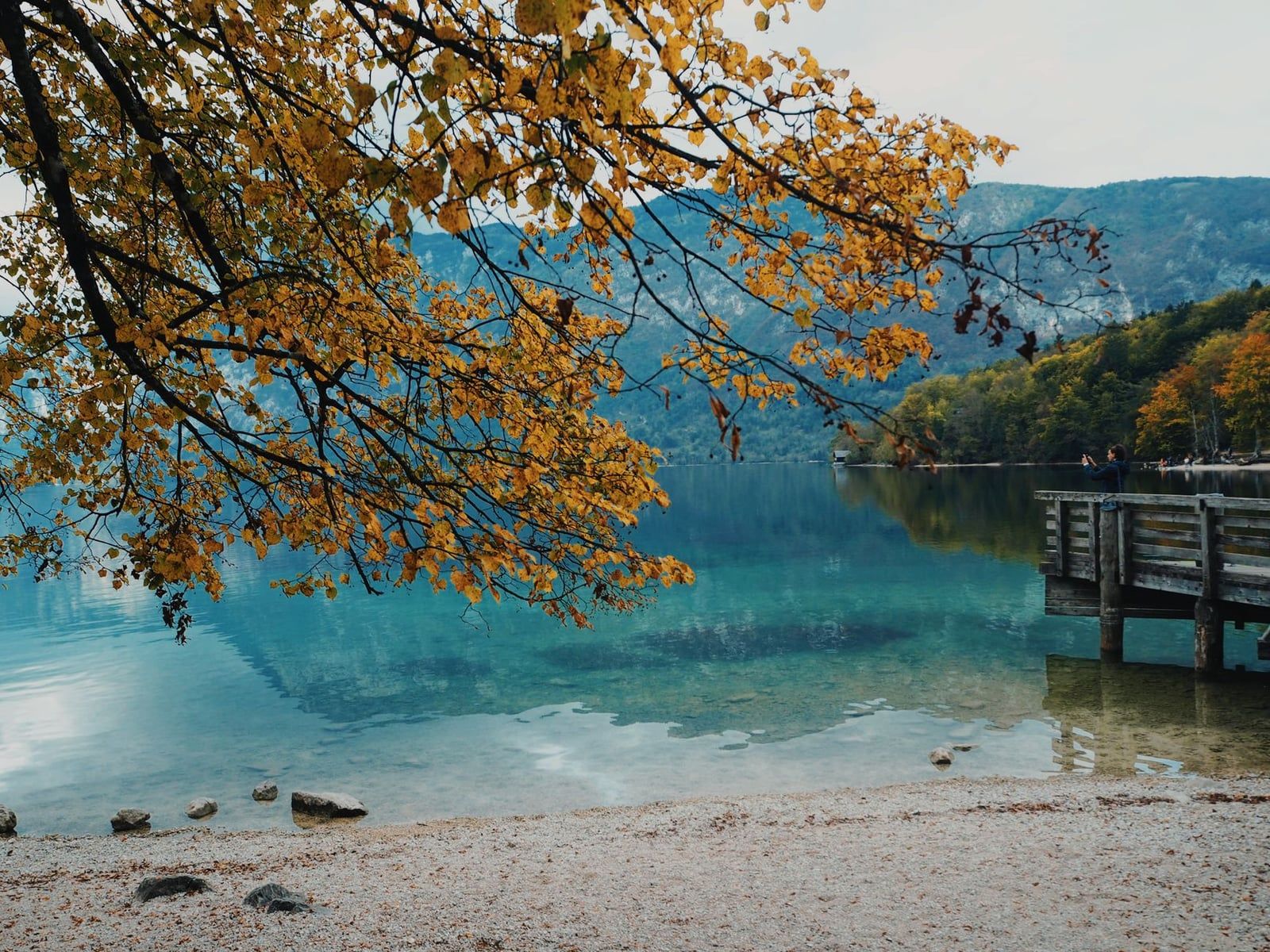
The scenery peaks at the same time. Beech and maple turn rust and copper in the valleys, then the larches go gold between roughly 1,400 and 1,900 metres — all of it set against water that stays glacial-turquoise year-round. Few European parks stack that much color into 840 square kilometres.
Trade-offs exist. Swimming season is over: the Soča runs 11–15°C even in July, and by October the lakes are cold to the touch. The high huts shut in mid-to-late September, so anything above 2,000 m becomes a self-sufficient day. Daylight shrinks to about ten hours, which caps how far you should push any route. None of that spoils the trip — it just reshapes it toward valleys, gorges and mid-mountain larch country.
When to Go: Timing the Autumn Colors
Aim for the second and third weeks of October for the park-wide peak. The full season stretches from late September, when the first beech yellows appear in shaded valleys, to early November, when the last larches drop their gold above 1,600 metres.
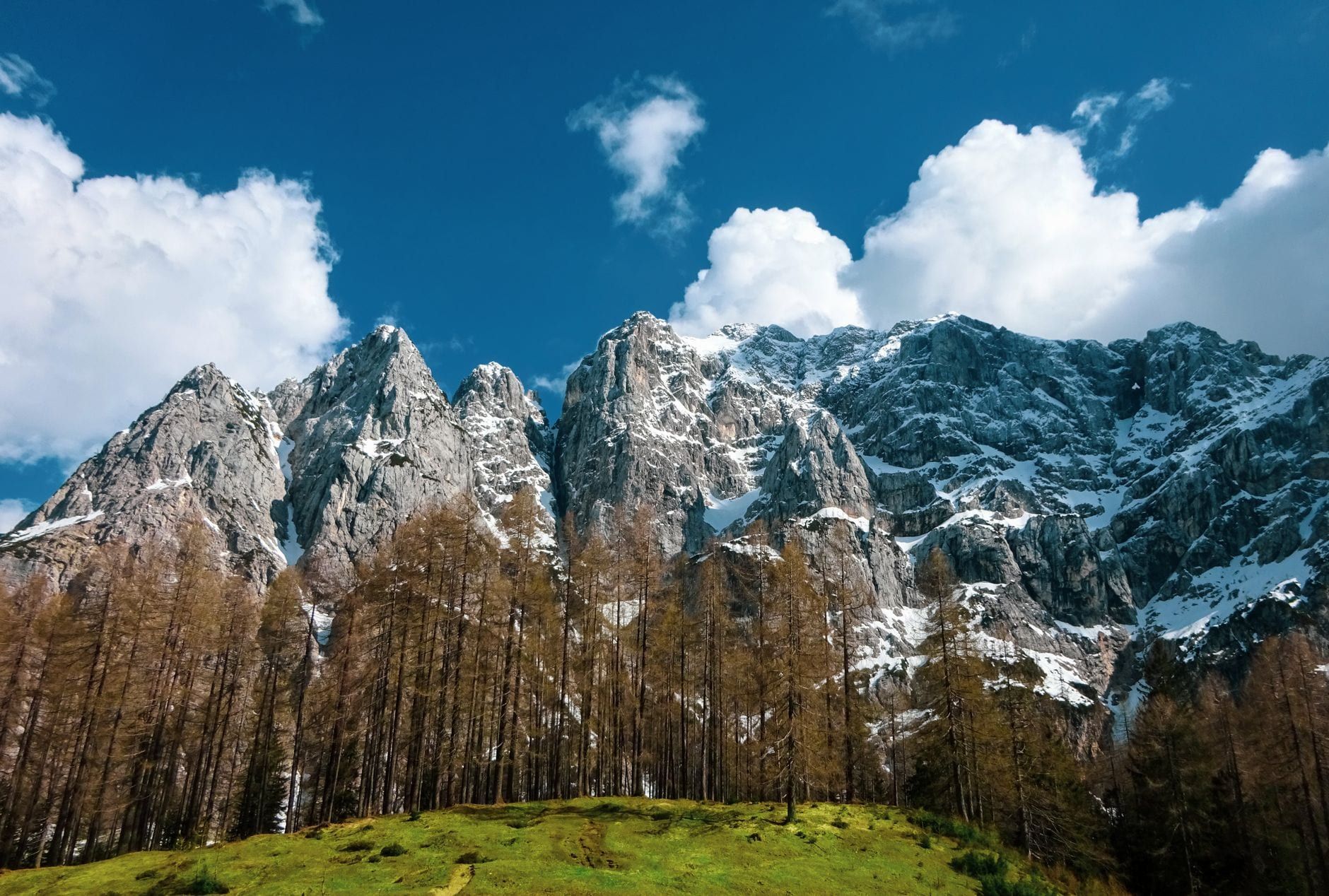
The turn follows the tree species. Beech, maple and other deciduous trees go first — late September into the first week of October, with the deepest rust in valleys that get little direct sun. Around mid-October the larches shift to gold, and they hold it for two weeks or more. Because larches grow higher, the show moves uphill as the month progresses: valley beech goes bare while Vršič Pass, Pokljuka and the Mangart road stay golden into late October, sometimes early November.
Aspect matters as much as altitude. Vrata valley sits on the shady side of the Alps, so its colors arrive and finish early — go in the first days of October or miss them. Vršič Pass runs the longest sequence in the park: beech on the north side first, then the south side, then the larches near the 1,611-metre summit of the road. You can catch good color there across three full weeks.
Timing shifts year to year with temperature and early frost, so verify before you commit. The webcams at Bled, Vogel and Kranjska Gora show live color, and the ARSO mountain forecast (published by Slovenia's Environment Agency) tells you whether the coming week favors a summit day or a valley walk. Check both the evening before.
Autumn Weather and Trail Conditions
October is the wettest month of the year in Slovenia. At Bled, daytime temperatures average around 14°C with nights near 5°C — pleasant walking weather in the valleys, close to freezing higher up. November is worse: shorter days, fog and mud, with Vintgar Gorge closed and most mountain infrastructure shut down. Late September and October are the months to target.
The park's own visitor FAQ is blunt about autumn conditions: days are shorter and colder with less storm risk than summer, but a cold snap can flip the high mountains into winter conditions overnight. Wet ground in shaded areas makes even good footwear slip — treat wet leaves and polished limestone as ice, not dirt. If snow is lying on a trail, the route calls for crampons and gaiters, and most October visitors should simply pick a lower one.
Fog is common on October mornings, especially over Lake Bohinj. Photographers chase it; hikers should wait it out, since fog at the lake often means clear summits by mid-morning. Either way, plan around roughly ten hours of daylight: start by 8:00, set a turnaround time, and carry a headlamp in case a walk runs long.
What about Mount Triglav itself? The high-alpine season effectively ends in mid-to-late September when the high huts close, and every summit route finishes on exposed via ferrata that is no place in fresh snow. Early autumn ascents with a guide and a settled forecast are feasible; from October, the honest answer is no. Our Triglav ascent guide covers the routes and costs, and the winter guide picks up where autumn leaves off.
The Best Autumn Hikes in Triglav National Park
These five hikes sit between 550 and 2,000 metres, which is where autumn lives once the high country shuts down. Each is doable inside a short October day. For routes beyond this list, see our full guide to hiking in Triglav National Park.
Slemenova Špica from Vršič Pass
The park's easiest larch summit. From Erjavčeva koča at Vršič Pass (1,611 m), the trail climbs about 300 metres over 1.5 hours to the 1,911-metre top, most of it through golden larches with the Tamar valley stacked below. It's an easy walk by Julian Alps standards, which is why it fills up: go on a weekday morning, because October weekends still bring queues on the final ridge. Combine it with the Vršič drive and you've used half a day well.
Mostnica Gorge and Voje Valley from Stara Fužina
An easy, well-marked walk from Stara Fužina (547 m) on Lake Bohinj's north side. The trail follows the Mostnica's gorge — pass the Devil's Bridge, where the river has carved a pothole named after a goat's behind — then opens into the Voje valley and ends at Voje waterfall. Figure 2–2.5 hours each way; turn back anywhere and it still works. Mid-October brings the best combination: beech color low, first larches high, and no July crowds on the boardwalk sections.
Peričnik Waterfall and Vrata Valley
A 1.5-kilometre walk each way from the Vrata valley road to a double-drop waterfall you can walk behind — free, and with easy parking once summer ends. The whole valley sits on the Alps' shady side, so its color arrives earlier than anywhere else in the park; the first week of October is prime. Bring a raincoat for the behind-the-falls trail, and look up: Triglav's north face, a limestone wall nearly three kilometres wide, closes the valley's head.
Mrežce, Debela Peč and Brda from Pokljuka
Pokljuka is the park's larch plateau, and late October is its moment — the slopes around Lipanca pasture blaze fiery orange after the valleys have gone bare. From Zajavornik (1,292 m), count about an hour to Blejska koča na Lipanci (1,630 m) and another 55 minutes to the 1,965-metre summit of Mrežce, through spruce forest to open views across the Julian Alps. The hut usually stays open into late October, which makes this the one autumn hike with a warm lunch at the top. Extend over Debela Peč and Brda if the weather holds.
Seven Lakes Valley
The park's classic, and autumn is its best season — yellow larches reflected in a chain of glacial lakes, in the valley that became Slovenia's first protected area in 1924. The catch: it's a long day (the Komarča route from Savica takes 4–5 hours to the hut alone) and the high huts are already closed, so you carry everything — food, water, spare layers — for 8+ hours. Only attempt it in a settled forecast with an early start; by late October, expect snow on the upper sections.
Lakes, Gorges and Waterfalls in Fall Color
The park's headline attractions all keep running through October, most with shorter hours and thinner crowds. Prices below are current adult rates; details and any changes are on our opening hours and fees page.
Vintgar Gorge
A 1.6-kilometre wooden boardwalk threads the Radovna's rapids and pools to Šum waterfall, about 45 minutes one way. Entry is €15 for adults, €5 for children, and the gorge runs April to late October — from late September the hours tighten to 9:00–15:00, so arrive at opening. Helmets are mandatory and handed out at the visitor centre. Mid-to-late October is the sweet spot: orange foliage against water that stays turquoise no matter the season. The one-way walk plus the return trail takes 2–3 hours.
Lake Bohinj
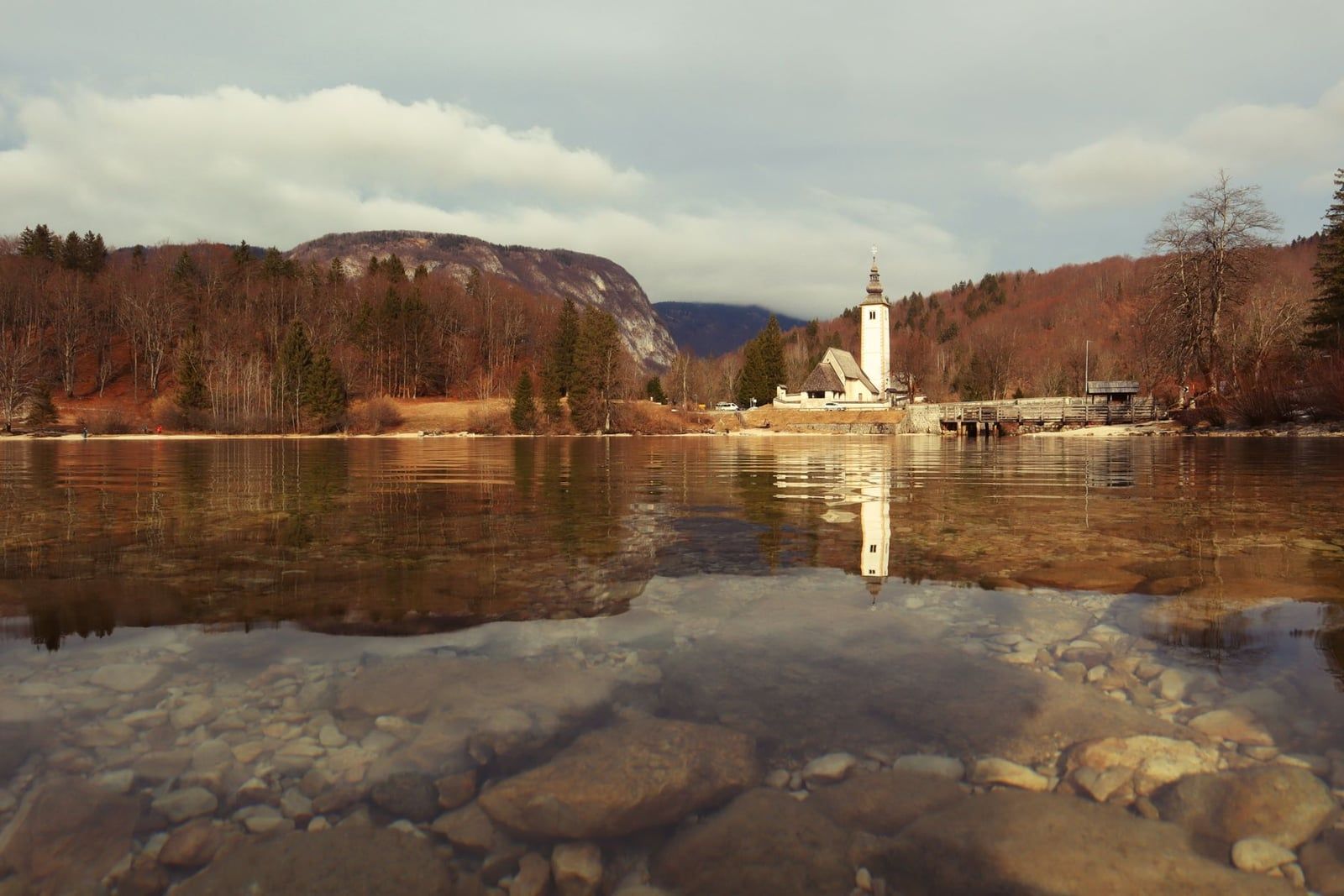
Bohinj is autumn's centrepiece — thick beech forest ringing the water in rust and copper, with morning fog lifting off the lake. The full loop is about 11 kilometres, 2.5–3 hours on foot; the church of St. John at Ribčev Laz is the postcard view. The panoramic boat runs Ribčev Laz–Ukanc from April to November (€9–14), and the Vogel cable car lifts you about 1,000 metres to Rjava Skala for roughly €29.50 return, running 8:00–18:00 while conditions allow. Take the cable car on a clear morning and walk the lake on the grey one.
Savica Waterfall and the Soča Gorges
Savica is the park's most photographed cascade: a 78-metre A-shaped double drop fed from under the Bohinj valley, reached by a steep stair trail of about 553 steps from the Ukanc car park. Entry is €4 (free for under-16s, and free for everyone on the first Sunday of the month); October hours run 9:00–17:00, and the site closes during heavy rain or rockfall risk. Go early — the steps funnel everyone onto one viewpoint.
Over the pass on the Bovec side, the Great Soča Gorge is free year-round: a 750-metre corridor of polished limestone with pools of unnaturally bright turquoise, and the first section takes 30–45 minutes round trip. The long-distance Soča Trail continues toward the river's source in Trenta through autumn color. The water runs 11–15°C even in summer, so nobody is swimming — just looking.
Scenic Drives and Viewpoints
You can see most of the park's autumn color from behind a windscreen, and late-season weather sometimes makes that the right call. The Vršič Pass road links Kranjska Gora with the Trenta valley in roughly 15 miles and about 50 hairpins — allow 1.5 hours without stops, which you won't manage. The color sequence runs uphill: beech on the north side first, then the sunnier south side, then larches near the top, so the road stays photogenic for weeks. Stop at the Russian Chapel near the summit, built in 1915 as a memorial to the POWs who died constructing the road, and park at Erjavčeva koča if you're adding the Slemenova Špica walk.
The Mangart road, branching off near Bovec, gives you the same vertical story compressed: beech forest right after the toll station, larches as you climb toward the country's highest road at 2,055 metres. Afternoon and sunset light hit it best. Back near Kranjska Gora, Lake Jasna is a five-minute photo stop with the Julian Alps doubled in still water — worth it at 8:00, skippable at midday.
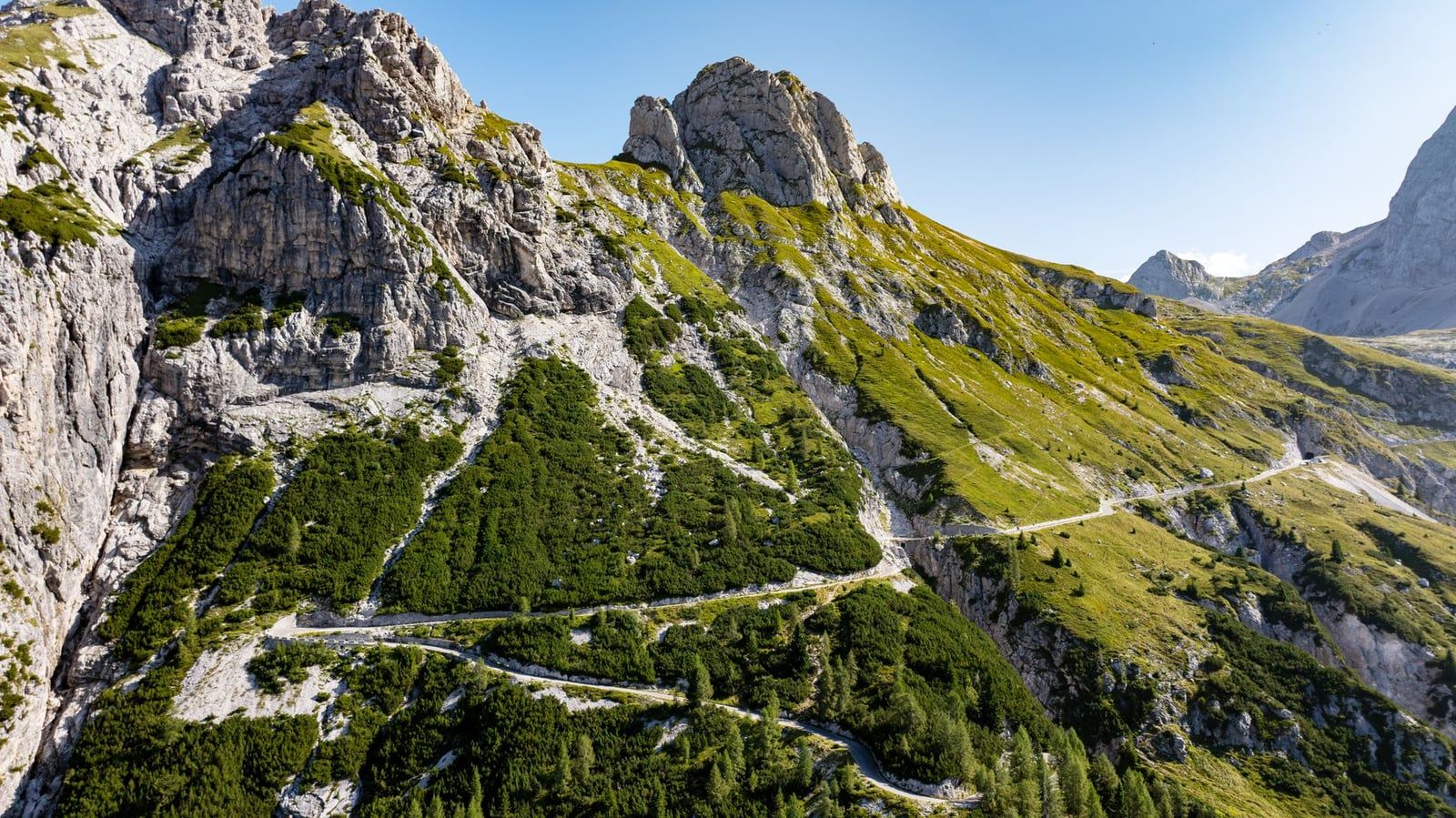
One caution governs all of it: both roads close for winter, and early snow can shut or treacherously grease the hairpins from late October. Check road conditions the morning you drive, not the week before.
Autumn Photography and Wildlife
Morning fog is Bohinj's gift to photographers in October — the lake steams under the beech while the peaks above stay clear, so get to the shore before the sun burns it off, usually by 9:00. Flat grey light, the other October staple, suits the gorges: Vintgar and the Mostnica lose their contrast but the water color doesn't fade, and long exposures smooth it nicely.
Work the layering. In mid-October the frame stacks itself: rust beech at the bottom, dark conifer in the middle, gold larch on the ridgeline — Slemenova Špica and the Pokljuka edges show it best. Shaded valleys like Vrata and the north side of Vršič photograph better in the afternoon, when low sun finally reaches across the ridge; the south-facing spots reverse that.
Wildlife shifts with the season. The red deer rut runs through early autumn — the roaring carries from the valleys at dawn if you're quiet. Chamois and ibex drop to lower slopes as cold arrives, and the forest floor adds autumn crocus and mountain ash berries. Stay on marked paths and keep your distance. And leave the drone at the hotel: flying is prohibited in the park without written authorisation from the park institute, the TNP Act restricts aircraft below 1,000 feet over the terrain, and supervisors do check social media — reported fines run €200 to €2,500.
Planning Your Trip: Bases, Huts, Costs and Logistics
Bled and Bohinj are the two bases most autumn visitors should weigh; Kranjska Gora and Bovec cover the north and the Soča side for longer stays. Full options are in our accommodation guide.
| Lake Bled | Lake Bohinj | |
|---|---|---|
| Setting | Just outside the park, 10–15 minutes from Vintgar | Inside the park, at the foot of the autumn beech show |
| Trade-off | More restaurants, shops and services; more visitors | Quieter, wilder, smaller choice; many places close after October |
| Best for | Best base for Vintgar, Pokljuka and Vogel | Best base for Mostnica, Komna and lake mornings |
| Access | Hourly buses from Ljubljana, about 2 hours | Same bus line, about 30 minutes further on |
Kranjska Gora makes sense if Vršič, Tamar and Vrata are your priorities — it's the pass's northern portal. Bovec suits a Soča-focused stay with a milder microclimate and the gorge walks at hand. Plan on at least three days; a week if you want the longer hikes and the villages in between.
The hut situation decides your hike options, so check it before anything else. High-elevation huts close mid-to-late September. Huts between roughly 600 and 1,500 metres usually stay open through October if weather permits — Kosijev dom na Vogarju (1,054 m), Planinska koča na Uskovnici (1,154 m), Planinski dom Tamar (1,108 m), Dom na Komni (1,520 m), Erjavčeva koča na Vršiču (1,525 m) and Blejska koča na Lipanci (1,630 m) — but several run weekends only, and any of them can shut after an early snow. The Slovenian Mountaineering Association (PZS) publishes the hut list, opening dates and prices; verify there the day before you set out, and carry cash if a hut lunch is in your plan.
| Attraction | Adult price | Autumn notes |
|---|---|---|
| Vintgar Gorge | €15 (child €5) | April–late October; from late Sept 9:00–15:00 |
| Savica Waterfall | €4 (under 16 free) | October 9:00–17:00; free first Sundays; closes in storms |
| Vogel cable car | About €29.50 return | Runs 8:00–18:00 while conditions allow |
| Bohinj panoramic boat | €9–14 | April–November, Ribčev Laz–Ukanc |
| Mostnica gorge & Voje valley | Free | Walk starts in Stara Fužina |
| Peričnik Waterfall | Free | 1.5 km each way from the Vrata road |
Getting around is easiest with a rental car: the park has no gate and no entry fee, trailheads sit at the ends of mountain roads, and an e-vignette for Slovenia's motorways costs €16 for a week. Rural parking meters and trailhead kiosks sometimes take cash only. Buses from Ljubljana reach Bled in about 2 hours (€8–10) and continue to Bohinj, but autumn timetables thin out, so check routes and transport options before relying on them. Without a car, day tours from Bled cover Vintgar, Bohinj and the passes efficiently. One more planning note: after October, hotels, boat services and the cable car progressively wind down — book anything you care about, and don't assume it runs.
A 2–3 Day Autumn Itinerary
This plan sequences the park by color zone and daylight, with swaps for weather. Base yourself in Bled or Bohinj for days 1–2 and cross the pass on day 3.
Day 1 — Bohinj and the gorges. Start with the Mostnica gorge and Voje valley walk from Stara Fužina (2–2.5 hours each way, or shorten it), then spend the afternoon on Lake Bohinj: the full 11-kilometre loop, or the boat one way and a shoreline stroll back. If light remains, drive to Vintgar for the last entry slot at 15:00 — orange walls, almost nobody there. Sunrise option for early risers: the Ojstrica viewpoint above Bled takes 15 minutes to climb and frames the island church in morning mist.
Day 2 — larch day. Drive the Vršič Pass with stops at the Russian Chapel and the hairpin viewpoints, and walk Slemenova Špica from Erjavčeva koča (about three hours return through the gold). Continue over the pass to Trenta, and end at the Mangart road for afternoon light on the larches. Snow on the pass? Pokljuka is the swap: Mrežce and the Lipanca slopes deliver the same color at gentler angles, with a hut lunch if Blejska koča is open.
Day 3 — the Soča side. From Trenta or Bovec, walk the first section of the Great Soča Gorge (30–45 minutes), then follow the Soča Trail as far as daylight and appetite allow. Kluže fortress above the Koritnica valley is the historical stop on the way out. Rain day alternative that still works: Vintgar and Savica are short, sheltered and close together, and the drive itself is worth doing in mist.
In late October, strip the plan back to the larch zones and valleys — Vršič, Pokljuka, Bohinj, the gorges — and leave anything above 2,000 metres alone. The colors hold; the weather window shrinks.
Autumn Safety and Packing Checklist
The park's official planning advice is simple and worth following exactly: match the route to your fitness and experience, check the ARSO mountain forecast, and leave word of your route and expected return time with someone. Layered warm clothing, wind and rain protection, a first-aid kit and navigation tools go on every hike — the emergency number is 112, and helicopter mountain rescue may be billed, so insurance that covers it is cheap sense.
- Waterproof boots with real grip — wet leaves and shaded rock are slick
- Layered clothing plus a warm hat and gloves
- Rain shell for you, dry bag for the map or phone
- Headlamp, even for planned daylight walks
- 1.5–2 litres of water and spare food
- Trekking poles for wet descents; microspikes if snow is forecast
Turnaround discipline beats gear. If fog drops in, if fresh snow appears on the trail, or if wet polished rock makes you slow down, that's the moment to reverse — the Seven Lakes Valley and any ridge above 1,900 m will still be there next year. Lower routes in the park are generous; use them.
Three park rules catch visitors out. Swimming is prohibited in the high-mountain lakes and streams of the park's first protection zone — Bohinj is fine, the Triglav lakes are not. Foraging is limited: mushrooms up to 2 kg per day and herbs up to 1 kg per person, in the third zone only. And drones need prior authorisation from the park institute; without it, don't launch.
Frequently asked questions
When is the best time to see autumn colors in Triglav National Park?
Late September to early November, peaking around mid-October. Beech and maple turn first in the valleys — earlier on the shady side, like Vrata — then the larches go gold from mid-October and hold until early November at Vršič, Pokljuka and Mangart.
Can you climb Mount Triglav in autumn?
Early autumn, yes — the high-alpine season runs until the high huts close in mid-to-late September. From October the park's own FAQ warns that cold snaps create winter conditions overnight, and every summit route ends on exposed via ferrata. From October, pick lower hikes.
Are the mountain huts open in October?
The high huts shut mid-to-late September. Lower huts between roughly 600 and 1,500 m — Vogar, Uskovnica, Tamar, Komna, Erjavčeva koča, Lipanca — usually stay open through October if weather allows, some at weekends only. Check the PZS hut map before setting off.
Is October a good month to visit Triglav National Park?
For color, quiet trails and shoulder-season rates, yes. But it's Slovenia's wettest month, days run about ten hours, and it's far too cold to swim. Check the webcams and the ARSO forecast before committing to any big day.
Where are the best fall-color spots in the park?
Vršič Pass and Slemenova Špica for larches, Pokljuka's Lipanca slopes for late-October gold, Lake Bohinj's beech forests with morning fog, Vintgar Gorge from mid-October, and the Seven Lakes Valley for the full alpine show.
What should I pack for autumn hiking in Triglav National Park?
Layered clothing and a windproof rain shell, grippy waterproof boots (the park warns that wet shaded ground defeats even good footwear), hat and gloves, headlamp, 1.5–2 litres of water, map or GPS, and poles. Add microspikes or crampons if snow is forecast at altitude.
Can you swim in Lake Bohinj or the Soča River in autumn?
Lake Bohinj is legally fine to swim in but cold by October. The Soča runs 11–15°C even in summer. Swimming is prohibited in the high-mountain lakes and streams of the park's first protection zone under the Triglav National Park Act.
Is Vršič Pass open in autumn?
Usually through October while it stays snow-free — but the road closes for winter, and early snow can shut it or make the 50 hairpins treacherous. Check conditions that morning, and pair the drive with the Russian Chapel stop and the Slemenova Špica walk.